- Home
-
-
A Comprehensive Guide to Operating the Feed Cup Device
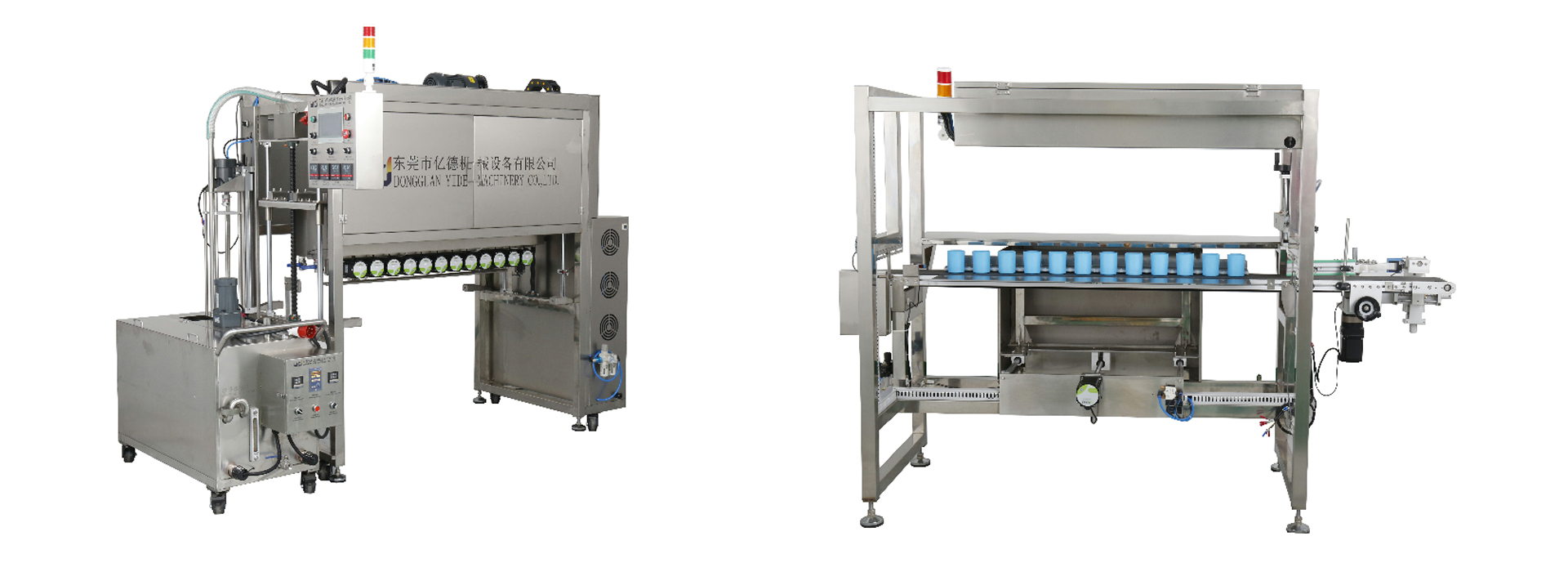

In modern manufacturing environments, automated equipment has become a crucial factor in enhancing production efficiency. The Feed Cup Device, as an essential component of fully automated production lines, plays an indispensable role in the candle jar filling process. This article provides a detailed operational guide to help you thoroughly master the skills needed to operate the Feed Cup Machine.
Core Value and Working Principle of the Feed Cup Device
The primary function of the Feed Cup Device is to ensure the smooth and accurate transportation of candle jars to the filling station on the production line. Through its precise mechanical structure and intelligent control system, it effectively prevents issues such as jamming, tilting, or misalignment of jars during the conveying process, thereby ensuring the continuity and stability of the entire production flow.
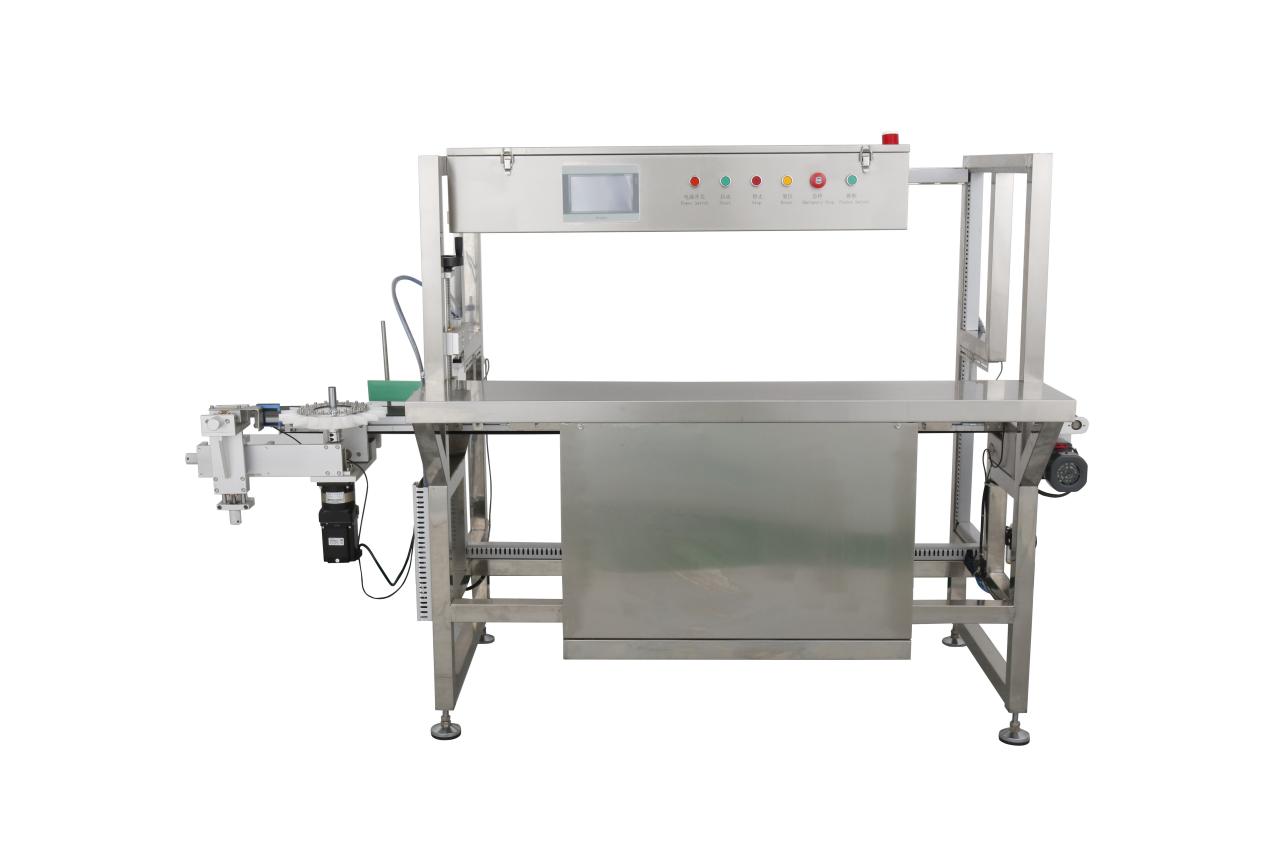
The core components of the device include:
• Intelligent sensing system: Monitors jar position in real-time through photoelectric sensors
• Adjustable guard rail mechanism: Adapts to candle jars of different sizes
• Multi-functional conveying mechanism: Includes both rotary and cylinder transmission modes
• PLC control system: Provides an intuitive interface and precise parameter adjustment
Detailed Operational Process Analysis
Step 1: Mechanical Structure Adjustment
Guard rail adjustment is the fundamental step in the operation. Operators need to carefully adjust the rail spacing according to the size of the jars currently in production. The ideal spacing should allow jars to pass through smoothly while leaving no excessive gap. If too tight, jars may get stuck; if too loose, jars may tilt. It's recommended to test with a sample jar first to ensure stability during transportation.
Step 2: Sensor Installation and Calibration
Proper sensor installation is crucial. After installation, operators need to confirm the sensor indicator status:
• Solid green: Normal operation
• Flashing red: Obstruction or installation abnormality
• Continuous red: Check sensor wiring or clean the sensing area
Step 3: Working Mode Selection Strategy
Choose the appropriate operating mode based on production requirements:
Rotary Mode Application Scenarios:
• Jar size perfectly matches the rotary mechanism
• Large-volume continuous production
• Situations requiring higher transmission speed
Cylinder Mode Application Scenarios:
• Special jar sizes incompatible with the rotary mechanism
• Small-batch, multi-variety production
• Applications requiring high positioning accuracy
Step 4: Pneumatic System Activation
Before starting the pneumatic system, confirm:
1. Whether the air source pressure meets requirements (typically 0.6-0.8MPa)
2. Whether air tube connections are secure
3. Whether cylinder movements are smooth
After activation, observe the pressure gauge readings to ensure system pressure stability.
Step 5: Detailed Parameter Settings
Taking common 10Z and 20Z jar types as examples:
Recommended Parameters for 10Z Jars:
• Operating mode: Cylinder mode
• Feed cup delay: 2.00 seconds
• Conveying speed: 44.0%
• Positioning accuracy: 5000.0mm
Recommended Parameters for 20Z Jars:
• Operating mode: Rotary mode
• Turntable speed: 44.0%
• Valve timing: 0.10s/0.21s
• Motor speed: 1450rpm
Step 6: Key Points for Test Operation
During test operation, it's recommended to:
1. Perform single-step testing first to confirm each action is accurate
2. Observe jar stability during transportation
3. Check whether final positioning accuracy meets requirements
4. Record test data for subsequent optimization
Step 7: Automatic Operation Process
Before switching to automatic mode, complete:
1. Parameter review: Confirm all setting parameters are accurate
2. System reset: Ensure all mechanisms return to initial positions
3. Safety check: Confirm all protective devices are in place
4. No-load test run: Observe equipment operating status
Step 8: Exception Handling Process
When equipment alarms occur, follow these steps:
1. Immediately pause equipment operation
2. Determine fault type based on alarm information
3. Remove the jar or obstruction causing the alarm
4. Clear alarm information on the touch screen
5. Restart the equipment and observe operating status
Operating Techniques and Best Practices
1. Daily Maintenance Points
• Check sensor cleanliness before daily startup
• Lubricate guide rails and transmission mechanisms weekly
• Monthly inspection of pneumatic components and electrical connections
2. Efficiency Optimization Suggestions
• Adjust transmission speed according to jar material
• Perform equipment maintenance during production gaps
• Establish quick solutions for common problems
3. Quality Control Measures
• Regularly check jar positioning accuracy
• Establish production data recording system
• Develop equipment accuracy calibration plan
Fault Prevention and Handling
Common Problems and Solutions:
1. Jar Jamming
• Check guard rail spacing
• Adjust transmission speed
• Clean conveying track
2. Inaccurate Positioning
• Calibrate sensor position
• Check mechanical wear
• Adjust braking timing parameters
3. Frequent Equipment Alarms
• Check power stability
• Confirm grounding reliability
• Update control system software
Conclusion
Mastering the operational skills of the Feed Cup Machine can not only improve production efficiency but also significantly reduce equipment failure rates. Through the detailed operational steps and maintenance suggestions introduced in this article, operators can more confidently handle various production requirements. Remember that skilled operation comes from careful practice, and it's recommended that new operators gradually master various skills under the guidance of experienced mentors.
With the continuous development of automation technology, maintaining a learning attitude and continuous improvement awareness will help you make constant progress in this field and create greater value for the enterprise.