- Home
-
-
A Comprehensive Guide to Selecting the Perfect Candle Wick

In the world of candles, much attention is rightly given to the fragrance, the color, and the vessel. Yet, the silent, unsung hero that makes everything possible is often overlooked: the wick. A candle without a wick is merely a decorative block of wax. The wick is the engine, the heart of the operation. It dictates the burn quality, the scent throw, the safety, and the overall lifespan of your candle. Choosing the correct wick is not just a step in candle making; it is the most critical decision that separates an amateur creation from a professional-grade product.
This guide will illuminate the path to wick mastery, exploring the different types of wicks, their unique advantages, and providing a clear framework for selecting the perfect one for your candle.

An Overview of Candle Wick Types
At its core, a wick is a delivery system, drawing liquid wax upward to fuel the flame. While they all serve this fundamental purpose, their construction and performance vary significantly. The primary wicks can be categorized into three main types.
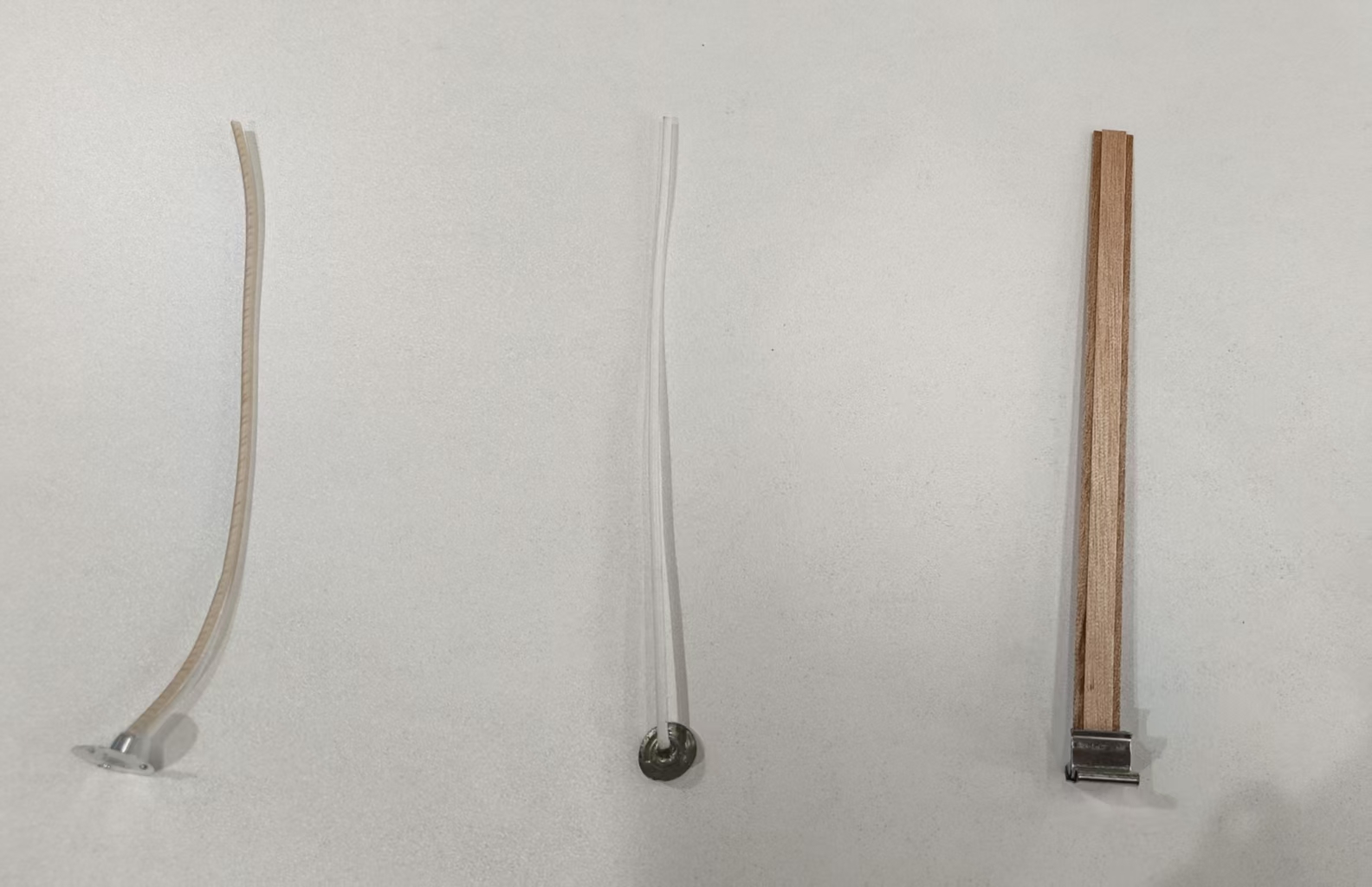
Domestic Cotton Wicks: These are the classic, versatile workhorses of the candle world. Woven from pure cotton thread and coated with paraffin wax, these white wicks are known for their reliability. They come in an extensive range of sizes (from C-18 to C-60) and lengths (8cm to 21cm), offering a solution for a wide array of candle diameters.
HTP Cotton Wicks: A premium alternative to standard cotton, HTP wicks are flat braids interwoven with paper fibers. This unique construction gives them a sturdier, self-trimming quality, leading to a more consistent burn. Their brown color and higher price point reflect their advanced design. They are available in sizes like HTP-72, HTP-83, and HTP-104.
Wooden Wicks: For those seeking a modern, aesthetic twist, wooden wicks are the answer. Sourced from 100% natural wood, they offer a multisensory experience. Beyond their visual appeal, they emit a soft, soothing crackle reminiscent of a miniature fireplace. Designs include single-layer, double-layer, S-shaped, cross, square triangular hole, and round tube, each creating a distinct burn pattern.
The Cotton Wick - Advantages and Selection Strategy
Why Choose Cotton Wicks?
Cotton wicks remain the industry standard for several compelling reasons:
Eco-Friendly and Clean Burn: Crafted from top-class 100% cotton, these wicks ensure a clean, non-toxic burn. Free from lead and zinc, they produce no unpleasant odors or harmful fumes. Superior processing technology minimizes black smoke and ensures burning stability.
Exceptional Versatility: Whether you work with paraffin, soy, palm, beeswax, or blends, cotton wicks are remarkably adaptable. They perform excellently in both pillar candles and most container types, producing a large and stable flame.
Guaranteed Upright Stability: Pre-coated with soy wax and anchored with a metal base, these wicks remain perfectly upright throughout the candle's life, preventing drowning and promoting an even burn.
How to Choose the Perfect Cotton Wick: A Practical Guide
Selecting the wrong wick size can lead to "tunneling" (a small, under-burned hole down the center) or a dangerously sooty, oversized flame. Here’s how to get it right:
Let Diameter Be Your Guide: The primary factor in wick selection is the inner diameter of your container. The goal is to achieve a full melt pool (the circle of liquefied wax) that reaches the edges of the container within 2-4 hours, without being excessively deep. For example:
· A C-34 wick is suitable for a container creating a 5-6 cm wax pool.
· A C-54 wick can handle a larger diameter, creating a 7-8 cm pool.
Consider Additives Carefully: Fragrance oils and dyes impact burn characteristics. Heavily scented or deeply dyed candles often require a larger wick size to combust the additional material effectively. Excessive additives can lead to smoking, mushrooming (carbon buildup on the wick tip), and reduced flame stability.
The Imperative of Testing: Theory provides a starting point, but practice makes perfect. Always conduct a burn test with your exact wax, container, and fragrance combination. Light the candle and let it burn for at least 2-4 hours. Observe the melt pool depth (ideally around 1/2 inch), flame height, and any smoke. Adjust the wick size up or down based on your observations.
The Wooden Wick - Advantages and Selection Strategy
Why Choose Wooden Wicks?
Wooden wicks have surged in popularity, bringing a unique set of benefits:
Natural and Sustainable: Manufactured from natural, organic wood through eco-friendly procedures, they are a perfect choice for the environmentally conscious creator.
Pleasant Ambiance: These wicks burn evenly and cleanly, producing a distinctive gentle crackle and no black smoke, enhancing the cozy atmosphere of any space.
User-Friendly Design: The attached metal clip holds the wick securely in place during the pouring and setting process, making candle assembly more convenient and precise.
How to Choose the Perfect Wooden Wick
The principles are similar to cotton wicks, but with a focus on wooden-specific sizing:
Vessel Diameter is Key: Just like with cotton, the container's width is the most important starting point. Refer to the manufacturer's charts to match the wick dimension to your vessel's diameter.
· A 10mm x 150mm double wood wick typically creates a 4-5 cm wax pool.
· A 16mm x 150mm wick is designed for a larger 6-8 cm pool.
Account for Fragrance Load: The "fragrance load" – the percentage of oil in your wax – directly affects the burn. Higher fragrance loads can dampen the flame, potentially necessitating a wider or thicker wooden wick to maintain a strong burn.
Burn Test for Precision: Wooden wicks can vary based on wood density and design. A burn test is non-negotiable. It will confirm if the wick produces a sufficient flame, a full melt pool, and that delightful crackle without causing the container to overheat.
Conclusion: The Wick is the Difference
The journey to creating a perfect candle is a science and an art, and the wick sits squarely at the intersection of both. It is a small component with an enormous responsibility. By understanding the fundamental differences between cotton and wooden wicks, respecting the relationship between wick size and container diameter, and embracing the essential process of testing, you can transform your candle-making practice.
Don't leave your candle's performance to chance. Choose wisely, test diligently, and let the heart of your candle burn bright, clean, and true.