- Home
-
-
High-Quality Candles All Excel in Their Wax Material
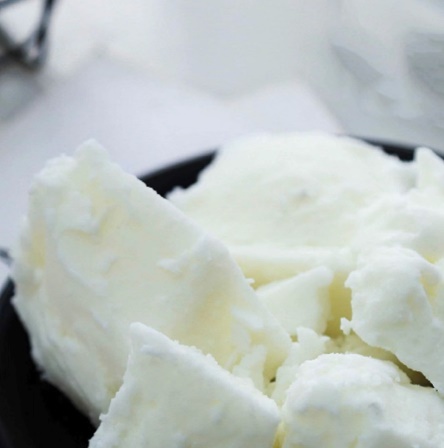
Ever walked into a candle shop, drawn to jars of warm light and soft scents, only to find some candles burn too fast, others leak oil, and a few just don’t live up to the hype?
You might blame the wick or the fragrance first—but here's the little-known secret: it turns out that high-quality candles all excel in their wax material. The wax isn’t just the “body” of the candle; it’s the unsung hero that shapes how long it burns, how evenly it melts, whether it holds onto scents, and even how smooth it looks.
In this post, we'll break down why wax material is the make-or-break factor for great candles, and how to pick the right one for your next cozy purchase or DIY project.
Why is wax material the decisive factor for making high-quality candles?
1. Melting point directly impacts burning stability.
Each type of wax has a specific melting point, and it is crucial to match the type of candle with the intended use scenario.
If the wax’s melting point is too low, a pillar candle might collapse; if it’s too high, a jar candle may never melt all the way to the edges.
2. Wax texture and composition determine fragrance retention and release.
Porous plant-based waxes such as soy wax and coconut wax can lock in essential oil fragrances like "sponges" and release them slowly, delivering a stable and non-overpowering aroma. Beeswax, with its natural honey scent, can even enhance the warmth of light fragrances like lavender and citrus. In contrast, low-grade paraffin wax—banned in the U.S. market—struggles to retain complex scents, easily producing weak aromas or pungent artificial smells, which reduces candle quality.
3. Wax quality affects safety and aesthetics.
The impact of wax quality on the aesthetics of a candle is mainly reflected in two aspects: static texture and post-combustion state. Natural wax can keep the wax pool clean without residue after burning, and its surface remains smooth even after cooling; inferior wax, however, tends to produce black smoke, form black spots on the inner wall of the container, or leave caked wax residues, which seriously undermines the overall aesthetics.
Wax types
Not all waxes are created equal. Each type has unique properties that make it suited for specific candle styles, and understanding these differences is key to choosing the right one.
This article merely provides a brief introduction to the types of wax. The next article will elaborate on the specific characteristics of the wax materials and describe them in detail. If you are interested, please click on the homepage to view it.
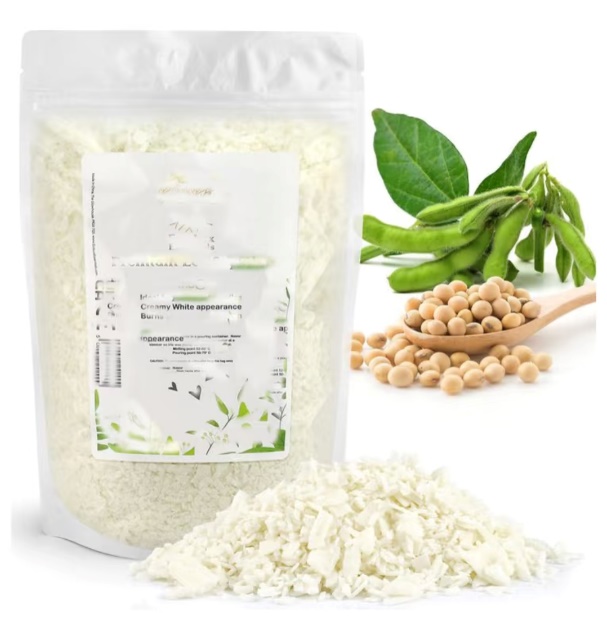
1.Soybean wax
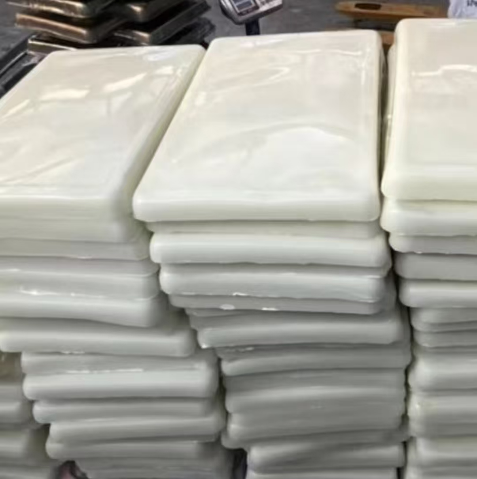
2. Paraffin wax
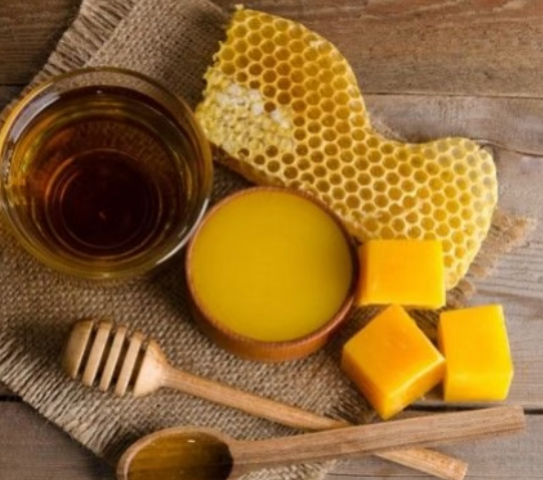
3. Beeswax
4. Coconut wax
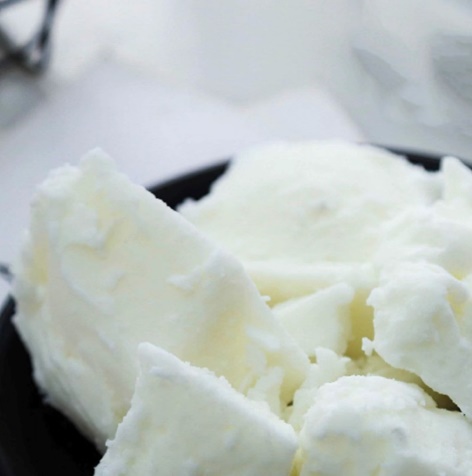
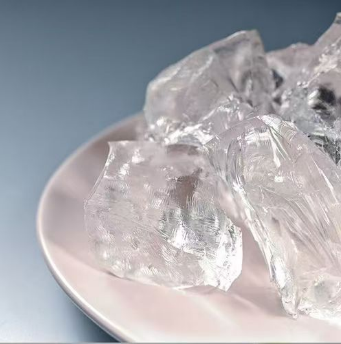
5.Jelly wax
How to pick the right wax?
Choosing the right wax isn’t about “the most expensive” or “the most natural”—it’s about matching the wax to your candle type, use case, and priorities. Here’s a step-by-step guide to make the decision easy:
Step 1: Start with the candle style you want to make
Jar/tin/mold candles: Prioritize waxes with moderate melting points that melt evenly—pure soy wax, coconut wax, or blended soy wax (WH-0007W) are perfect. Avoid high-melting-point waxes like palm wax, which may not melt all the way in a closed container.
Pillar/taper candles: Go for waxes with high melting points that hold shape—fully refined paraffin wax (if allowed in your region), palm wax, or a beeswax-palm blend. These will resist softening and dripping when lit.
Craft/decorative candles: Opt for gel wax (for clarity) or palm wax (for texture) if you want to showcase decorations or create a statement look.
Step 2: Consider your core priorities
Eco-friendliness & safety: Choose pure soy wax, coconut wax, or beeswax—all plant-based (or animal-derived, in beeswax’s case) and burn cleanly. Steer clear of paraffin wax, especially if selling in the U.S.
Fragrance performance: For strong, long-lasting scent, pick coconut wax (best for large rooms) or pure soy wax (best for consistent aroma). Blended soy wax is a budget-friendly middle ground.
Budget & ease of use: Blended soy wax (WH-0007W) is ideal for beginners—it’s affordable, easy to melt, and forgiving of small mistakes. If cost is no issue, beeswax adds luxury.
Aesthetics: Want a smooth finish? Go for soy or coconut wax. Want gloss or texture? Choose palm wax. Want clarity? Gel wax is the way to go.
Step 3: Check practical details
Melting & pouring temperatures: Follow the wax’s guidelines—e.g., pure soy wax needs to cool to 70℃ before adding fragrance, while blended soy wax melts at 75℃ (don’t exceed 90℃). Ignoring these can ruin the candle’s texture or fragrance.
Packaging & shelf life: If buying in bulk, pure soy wax (25KG bags) or blended soy wax (20KG boxes) are cost-effective. For small DIY projects, 300g blended soy wax bags are convenient. All waxes here have a 12-month shelf life—store in a cool, dry place to avoid spoilage.
Conclusion
At the end of the day, the secret to a high-quality candle is simple: it starts with the right wax. Whether you’re a hobbyist making candles at home or a small business creating products to sell, understanding wax properties—melting point, texture, fragrance retention, and suitability for different candle styles—lets you craft candles that burn beautifully, smell amazing, and stand out from the crowd.
Thank you for your reading and support.