- Home
-
-
The Candle Wick is the Soul of a Candle
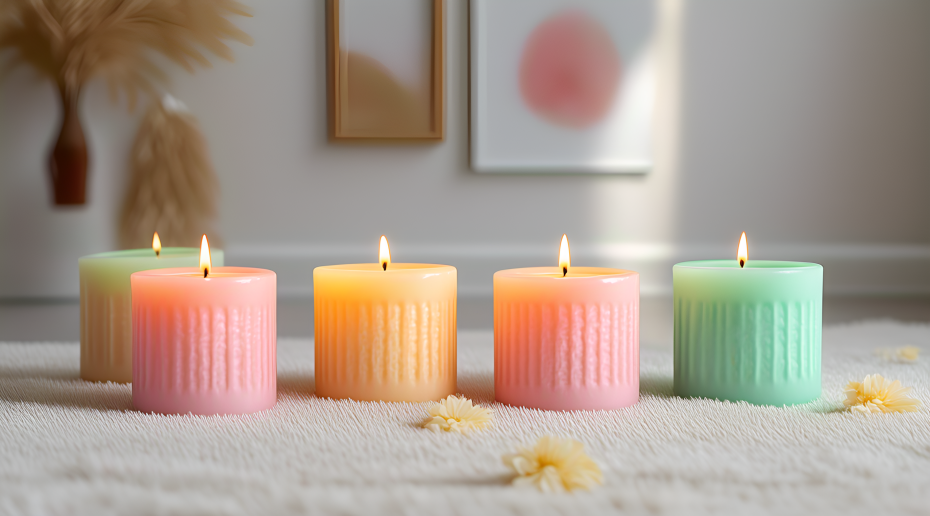
When you light a candle, your eyes may first be drawn to the soft glow of the flame or the delicate fragrance it releases. But behind this warm ambiance lies an unsung hero—the candle wick.
Often overlooked, the wick is far more than a simple thread; it is the soul of the candle, the core that breathes life into the wax and sustains the entire burning journey. Without a well-chosen wick, even the highest-quality wax and most exquisite fragrance will fail to shine, turning a moment of relaxation into a frustrating experience of uneven burning, excessive
smoke, or a flame that dies out prematurely.
Why is the wick regarded as the soul of a candle?
To understand why the wick deserves the title of “soul,” we must first uncover its essential role. At its core, the candle wick operates on a simple yet brilliant principle: capillary action .
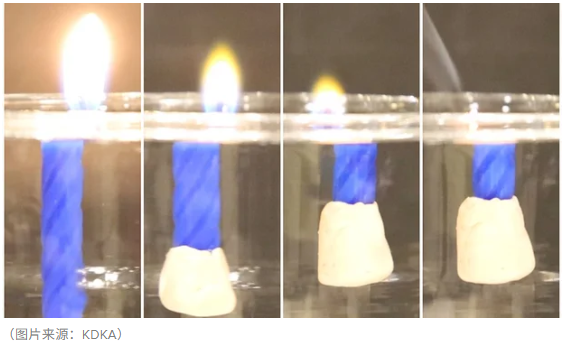
As the flame heats the wax, turning it into a liquid, the wick acts like a tiny straw, drawing the melted wax upward. Once the wax reaches the top of the wick, it vaporizes and mixes with oxygen, fueling the flame. This cycle—melting, absorbing, vaporizing, and burning—is what keeps the candle alight, and every step depends on the wick’s ability to perform its task flawlessly.
A well-designed wick ensures the flame stays steady, the wax melts evenly, and the fragrance diffuses gently; a poor one disrupts this harmony, leaving behind wasted wax, smoky air, or a “tunneled” candle that burns only in the center.
Candle wick types
Just as souls come in different forms, candle wicks are not one-size-fits-all. Each type is crafted to suit specific candle styles, container sizes, and user preferences, ensuring there’s a perfect match for every creation.
1. Domestic cotton wick
The most common and accessible option is the domestic cotton wick, a staple in candle making for its reliability and affordability.
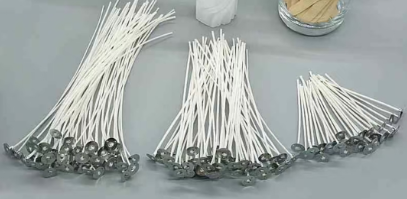
Made from 100% natural cotton fibers, these wicks are often coated in paraffin wax (though unwaxed versions exist) to boost burning stability. They come in a wide range of sizes—from C-18 to C-60—and lengths (8cm to 21cm), with metal bases for easy placement in containers.
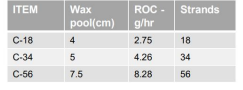
What makes them a favorite is their versatility: they work with most candle types, from soy wax to beeswax, and produce an even flame with minimal smoke.
For hobbyists or small-scale makers just starting out, domestic cotton wicks are the go-to choice, offering consistent performance without breaking the bank.
2. HTP cotton wicks
For those seeking a step up in quality, HTP cotton wicks (short for High-Tension Paper) are a game-changer.
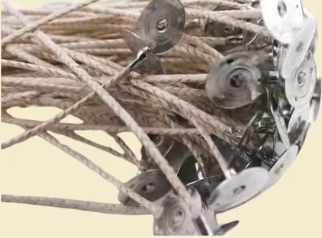
Unlike traditional cotton wicks, HTP wicks are flat and interwoven with paper fibers, giving them enhanced tension and burning stability. They come in a rich brown color and sizes like HTP-72 to HTP-104, with the same length options as domestic cotton wicks.
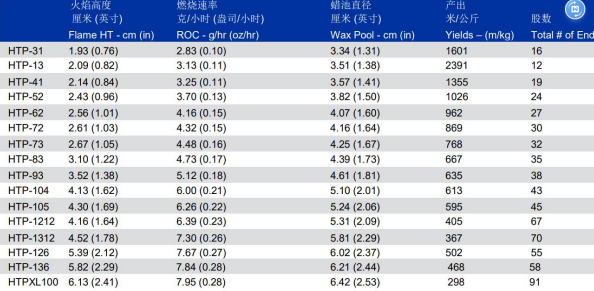
The paper fibers in HTP wicks ensure the flame stays strong and steady, even when used with scented or dyed waxes, and they produce almost no black smoke—a major plus for those who prioritize a clean burn.
While they are pricier than domestic cotton wicks, their reliability and consistency make them worth the investment for professional makers or anyone who wants a premium candle experience.
3. Wooden wicks
For a touch of warmth and ambiance, wooden wicks stand in a league of their own. Crafted from 100% redwood, these wicks are eco-friendly, smokeless, and add a sensory twist to candle burning: they emit a soft, crackling sound, like a tiny fireplace, that turns a simple moment into a cozy ritual.
Wooden wicks come in various shapes to fit different containers: single or double wicks for small containers, and cross-shaped, S-shaped, or square-shaped wicks for larger containers—some even feature unique designs like holes for added visual appeal.
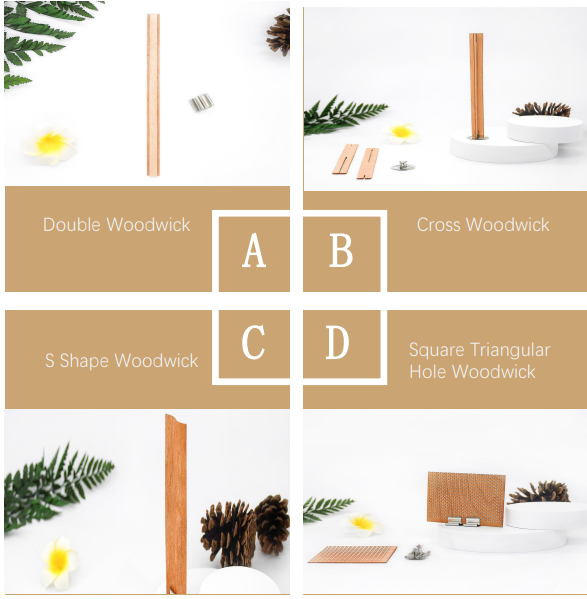
They also have a higher burning temperature, which helps release fragrance more effectively, making them ideal for scented candles.
A pro tip for wooden wick users: using two wicks clamped together ensures full combustion; a single wooden wick may struggle to draw enough wax, leading to incomplete burning.
How to choose the perfect wicks?
Choosing the right wick is an art as much as it is a science.
1. Choose the candle wick size based on the candle's diameter and height.
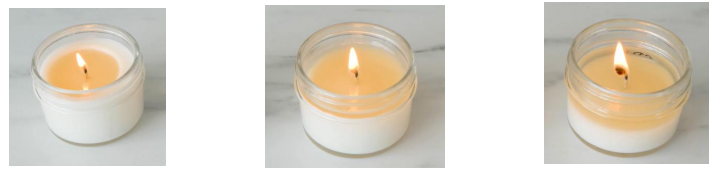
If the candle has a large diameter but is paired with a small wick, the candle will only burn through the middle, resulting in a "tunneling" effect; If the candle has a small diameter but is used with a large wick, the flame will be too big, leading to a faster burning process.
Generally, the height of the cotton wick is 2-3 cm higher than the height of the containers.
2.When making candles, carefully control the amount of dye and fragrance used.
Excessive amounts may affect the burning performance, cause smoke, and reduce the candle’s ability to burn continuously.
3. Consult professionals.
Professional guidance can reduce the cost of trial and error.
4. Sample test.
Sample testing is a crucial step in candle making to avoid mass production risks and optimize the quality of finished products.
Conclusion
In the end, the candle wick is more than just a component—it’s the soul that gives the candle purpose. It turns a block of wax into a source of light, fragrance, and comfort; it turns an ordinary object into a vessel for memories, whether it’s a quiet evening at home, a romantic dinner, or a moment of relaxation after a long day.
The next time you light a candle, take a moment to appreciate the wick: the small, unassuming thread that makes it all possible. Choosing the right wick isn’t just about making a candle—it’s about crafting an experience, and with the right knowledge, anyone can create a candle that burns bright, smells beautiful, and warms the heart.
Thank you for your reading and support.