- Home
-
-
The Surprisingly Fascinating Journey of a Candle

Ever had a power outage and fumbled in the dark for that one, slightly dusty candle? When you finally lit it, the room didn't just get brighter; it got a soul. That warm, flickering light can calm a frantic mind, set a romantic mood, or make a bubble bath feel like a five-star spa experience. But have you ever stopped to wonder, as you gaze into that tiny flame, how that candle came to be?
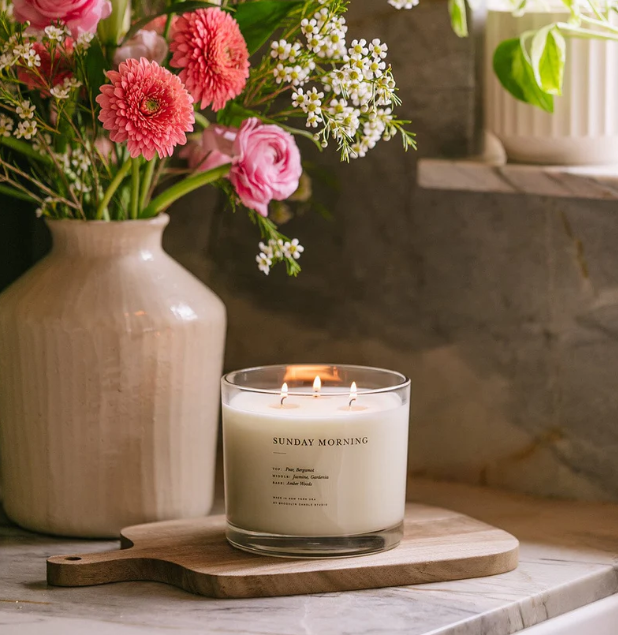
It’s not just melted wax with a string in it. Oh no. The story of a candle is a fantastic tale of chemistry, history, and a little bit of magic. So, pull up a chair, and let's dive into the wonderfully waxy world of candle making!
A Blast from the Past: Lighting the Way Through History
Before light switches and LED bulbs, there was fire. And for centuries, the candle was the MVP of after-dark illumination. The earliest versions were… rustic. Imagine ancient Egyptians using reeds soaked in animal fat. Not exactly Yankee Candle, but it worked! The Romans improved the model by repeatedly dipping twisted papyrus into tallow (rendered animal fat). The smell? Let's just say you wouldn't want it as your new signature scent.
For a long time, candles were a luxury. If you were wealthy, you burned beeswax candles. They burned cleaner, smelled sweeter, and were a status symbol. If you were… not, you made do with smelly tallow. The big game-changer came with whaling in the 18th and 19th centuries. Spermaceti wax, from the head of a sperm whale, was a dream—hard, odourless, and produced a brilliant light. Thankfully, today we’ve moved on to more sustainable (and less blubbery) options.
The Building Blocks: More Than Just Wax Poetic
So, what goes into a modern candle? It’s a simple but brilliant team of four:
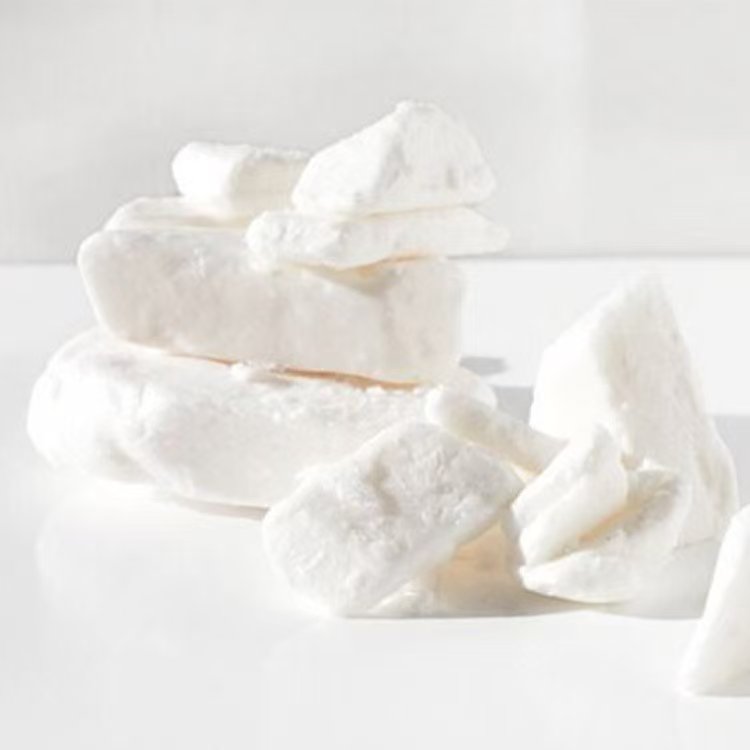
1. The Wax : This is the fuel, the main event. Today's choices are diverse:
• Paraffin Wax: The classic. A petroleum by-product, it's cheap, holds colour and scent well, and gets the job done. It's the reliable old sedan of the wax world.
• Soy Wax: The eco-friendly darling. Made from soybeans, it's renewable, biodegradable, and burns cleaner and slower than paraffin. It's the trendy hybrid car.
• Beeswax: The ancient gold standard. Made by our busy bee friends, it has a natural honey scent and burns with a bright, clean flame. It’s the vintage Rolls-Royce.
• Coconut Wax: The new luxury player. It blends beautifully with scents and has an excellent burn. Think of it as the high-end electric sports car.
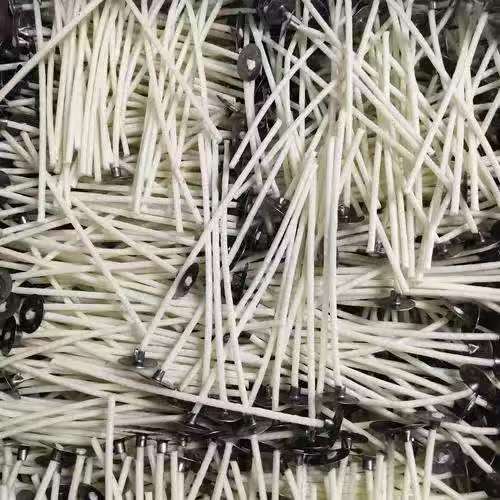
2. The Wick : This isn't just any old piece of string. The wick is the engine. It’s usually cotton braided very tightly. Some have a paper or metal core. This braiding is crucial—it controls how fast the wax is drawn up (capillary action, for the science lovers!) to the flame. A good wick curls as it burns, ensuring a self-trimming, clean flame. A bad wick leads to tunnelling, soot, and a sad, short-lived candle.
3. The Fragrance : The personality! This is where perfumers become artists. Fragrance oils are carefully blended and added at just the right temperature to bind with the molten wax. From "Ocean Breeze" to "Pumpkin Spice," this is what turns a light source into a mood.
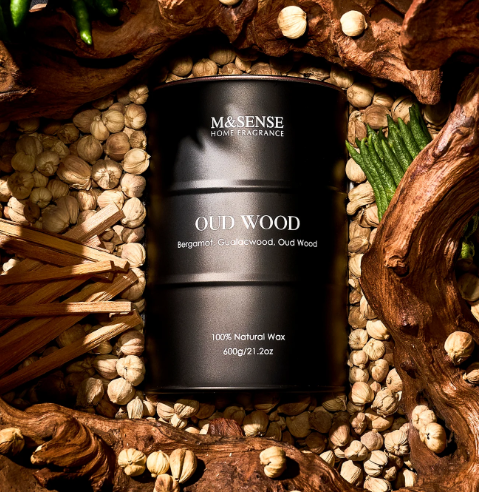
4. The Vessel/Container : Most candles today are container candles, poured into jars, tins, or fancy glasses. This isn't just for looks; the container safely holds the melted wax pool.
The Main Event: How a Candle is Born (The Fun Part!)
Making a candle is a bit like being a wizard. Here’s the spell:
• Step 1: Melting the Wax. The chosen wax is carefully melted in a double boiler. You can't just zap it in the microwave; controlling the temperature is key. Too hot, and you'll ruin the scent; too cool, and it won't pour properly.
• Step 2: The Perfect Mix. Once the wax is a clear liquid, it's cooled slightly before the fragrance oil and any dye are stirred in. This is the "aha!" moment where the plain wax transforms into "Mahogany Teakwood" or "Lavender Vanilla."
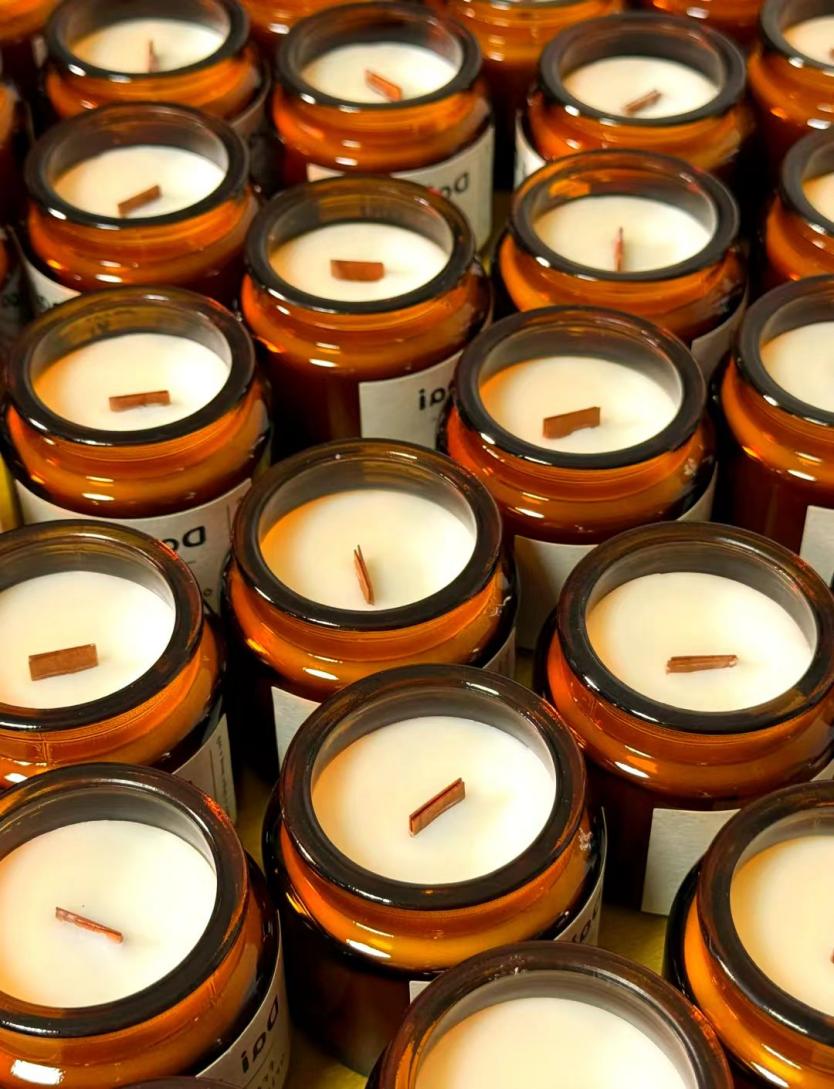
• Step 3: Wicking Out. While the wax is melting, the wick is secured to the bottom of the container, usually with a dab of glue or a wick sticker. A clip or chopstick is often placed over the top to keep the wick centered and straight. Precision matters!
• Step 4: The Grand Pour. The perfumed, coloured wax is poured slowly into the container. The temperature is still critical here. Pour too hot, and the wax can contract and create ugly sinkholes. Pour too cool, and it will look lumpy. It’s a true Goldilocks situation.
• Step 5: The Waiting Game. Now, we wait. The candle needs to cure for anywhere from a few hours to a few days as it solidifies. This curing time allows the fragrance to fully bind with the wax, ensuring a stronger scent when you burn it.
And voilà! A candle is born, ready to be boxed up and bring its cozy glow to someone’s home.
The Final Flicker: A Little Flame with a Big Impact
From humble beginnings in animal fat to the sophisticated soy creations of today, the candle has remained a constant companion. It’s a testament to our need not just for light, but for ambiance, for a moment of peace, for a tiny, personal sun we can light whenever we choose.
So, the next time you light a candle, take a second to appreciate the journey. It’s not just wax and wick; it’s history, science, and art, all coming together to light up your life, one flicker at a time.