- Home
-
-
How Do You Choose a Wax Melting Tank for Candle Production?
Views: 0 Author: Site Editor Publish Time: 2026-08-13 Origin: Site


Moving from small-batch pouring to scaled commercial candle production changes everything. It demands a serious mindset shift regarding your daily operations. Upgrading your production equipment represents a high-stakes capital investment for your growing business. You simply cannot afford operational bottlenecks caused by inadequate heating pots. Inconsistent temperatures ruin expensive batches of delicate natural waxes. Slow melt times drastically drag down your required daily output. Clogged pouring valves halt your entire workflow mid-shift. To scale your operations successfully, you need highly reliable hardware. You need machines built specifically for continuous commercial use.
This article provides a rigorous, manufacturer-agnostic equipment evaluation framework. We will help you match critical technical specifications directly to your specific business production demands. You will learn exactly how to evaluate true usable capacity limits. We will compare various internal heating mechanisms side-by-side. You will also understand how to select fail-proof dispensing valves. By understanding these core engineering differences, you can confidently secure machinery capable of sustaining your long-term business growth.
Key Takeaways
Capacity vs. Throughput: True production speed depends on melt times and recovery rates, not just the static volume of the wax melting tank.
Heating Precision is Non-Negotiable: Sensitive waxes (like soy and beeswax) require exact thermostatic controls to prevent scorching and scent throw degradation.
Valve Engineering Drives Efficiency: Heated, easily serviceable valves prevent workflow-halting clogs.
Material Integrity: Food-grade or medical-grade stainless steel is required for longevity and easy cleaning between fragrance batches.
Assessing True Wax Tank Capacity for Your Production Goals
Total tank volume differs wildly from safe, usable working volume. Manufacturers often list the maximum liquid limit a vat holds. However, you must leave adequate headspace inside the vessel. This empty space accounts for rapid wax displacement during vigorous manual stirring. Overfilling a unit creates severe spill hazards for your staff. It also risks overflowing precious materials during the initial heat expansion phase. We recommend leaving at least ten percent of the tank empty at all times.
Next, you must calculate your true throughput needs. To determine the ideal wax tank capacity, look closely at your daily output targets. Follow these essential calculation steps:
Identify your primary vessel size in ounces.
Multiply that size by your target daily unit count.
Divide the total ounces by sixteen to find your daily poundage requirement.
Factor in an extra fifteen percent margin for testing and accidental spillage.
You must also decide between batch and continuous pouring workflows. Batch pouring involves melting one massive tank daily. It requires a larger upfront internal volume. You melt everything overnight or early morning, then pour until empty. Continuous pouring means operators constantly top off a moderately sized tank as they work. This dynamic method relies heavily on fast recovery times rather than sheer static volume. Highly efficient heating elements make continuous workflows possible.
Finally, apply a strict scalability check to your purchase. Do not buy machinery just for today. Purchase a unit capable of handling your projected growth over the next 12 to 18 months. Expanding operations too quickly often leads to premature equipment obsolescence. Buying slightly larger today saves you thousands of dollars tomorrow.
Chart: Batch vs. Continuous Pouring Workflows
Workflow Type
Equipment Need
Labor Rhythm
Best Fit For
Batch Pouring
High static volume, slower recovery
Intense pouring bursts followed by cooling delays
Single-scent bulk runs
Continuous Pouring
Moderate static volume, rapid recovery
Steady, uninterrupted daily production
Multi-scent, agile production
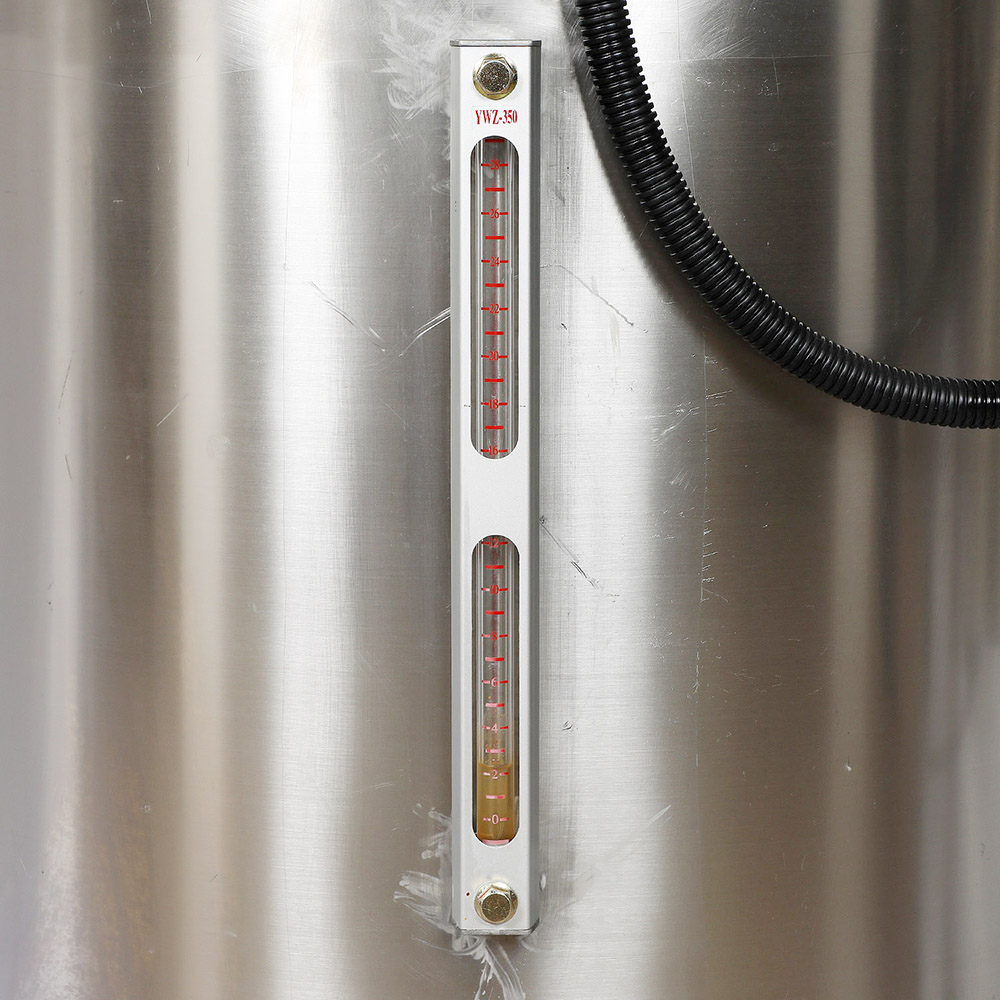
Heating Technologies: Direct Heat vs. Water-Jacketed Systems
Commercial melters primarily utilize two distinct heating mechanisms. You must match the core technology directly to your specific wax chemistry. Direct heating elements position electric coils straight against the metal vat. They offer noticeably faster initial heat-up times. They feature simpler internal mechanics. Therefore, they often cost much less upfront. However, they carry a significantly higher risk of creating localized hot spots. These intense heat zones can instantly burn sensitive materials. Paraffin wax possesses a highly resilient molecular structure. It can generally withstand this intense direct heat without degrading or discoloring.
Conversely, water-jacketed systems utilize a classic bain-marie mechanism. They heat a specialized thermal liquid jacket surrounding the internal vat. This heated liquid transfers perfectly even, ambient heat into your wax payload. It eliminates localized hot spots entirely. The industry considers this specific setup the absolute standard for a soy wax heater. Delicate natural blends, like soy and pure coconut, scorch very easily under direct heating elements. A water-jacketed system protects these fragile molecular structures. It ensures your final candles retain an immaculate visual finish.
Regardless of the chosen heating system, thermostatic control quality remains critical. Simple analog dials drift unpredictably over time. They lack the precision required for high-end candle manufacturing. Digital proportional-integral-derivative (PID) controllers are far superior. They continuously monitor and adjust temperatures dynamically. A PID controller guarantees repeatable results for every single pour. It prevents the frustrating temperature swings often found in entry-level hobbyist pots.
Material Standards: Why a Stainless Steel Melting Pot is Mandatory
You should never compromise on your core construction materials. Professional commercial facilities universally demand 304 or 316-grade stainless steel. Aluminum vats and coated metals are completely unacceptable for professional scale operations. Fragrance oils are highly concentrated, aggressive chemical compounds. Over time, they react negatively with lesser metals and cheap coatings. This chemical reactivity causes rapid corrosion, internal pitting, and eventual wax degradation. It can even alter the final cured color of your premium candles.
High-grade steel also excels at overall thermal retention. Double-walled stainless steel construction dramatically improves your facility's energy efficiency. It effectively traps expensive heat inside the vat. This robust insulation maintains highly consistent wax temperatures throughout long production shifts. You burn significantly less electricity while enjoying smoother, predictable pours all day long.
Furthermore, a premium stainless steel melting pot facilitates rapid, thorough cleaning. You must actively prevent scent cross-contamination between different product runs. Smooth, non-porous steel surfaces wipe down easily while warm. They do not hold onto ghost scents the way porous materials do. Scratched Teflon coatings harbor microscopic oil droplets. Stainless steel ensures your lavender batch never smells like yesterday's cedarwood production.
Valve Design and Dispensing Mechanics: Preventing the "Cold Plug"
The pouring spout represents the most common point of failure in any candle wax melter. A clogged or frozen valve halts your entire production line instantly. Candle makers commonly call this frustrating phenomenon the "cold plug." It ruins your carefully planned daily schedule.
Standard unheated valves inevitably cool down between production pours. The liquid wax quickly solidifies inside the internal ball joint. This solid chunk blocks all forward flow. Heated brass or stainless steel ball valves solve this bottleneck entirely. They feature specialized integrated heating elements wrapping the dispensing nozzle. This ingenious addition keeps wax flowing seamlessly from the first glass jar to the very last. You never have to blast a stuck valve with a dangerous heat gun again.
Consider these essential dispensing mechanics before purchasing:
Valve Height Clearance: Ensure the main spigot sits high enough to comfortably accommodate your tallest pouring pitchers. It must also clear standard manufacturing vessel sizes.
Sloped Internal Bottoms: A conical or sloped internal base directs every last drop of wax directly into the valve. This smart geometry minimizes expensive dead-space waste.
Ergonomic Lever Action: The valve handle should turn smoothly without requiring excessive physical force. This dramatically reduces worker fatigue.
System Serviceability: Look exclusively for standard, threaded plumbing fittings. Operators must be able to quickly remove, clean, or replace damaged valves. They should not need to call specialized technicians for simple clogs.
Smart valve design drastically reduces physical strain on your entire pouring team. It transforms a frustrating chore into a highly streamlined manufacturing process.
Implementation Risks: Power, Space, and Operational Safety
Installing industrial machinery requires careful, deliberate facility planning. First, you must verify your exact electrical requirements. Many eager buyers purchase high-capacity units only to discover they lack the correct wall outlets. Small home-based setups usually handle standard 110V/15A household plugs. However, a massive commercial wax melting tank typically demands dedicated 220V circuitry. These larger machines draw tremendous amperage during initial heat-up phases. Always consult a certified electrician before finalizing your order. They will ensure your breaker panel can handle continuous heavy loads safely.
Next, objectively evaluate the machine's physical footprint. Map out your entire pouring studio workflow on the floor. The heating unit needs safe clearance from flammable walls. You require easy, unblocked access to electrical outlets and adequate ventilation. Position the heavy machine ergonomically near your primary pouring tables. This strategic placement minimizes walking distance when carrying heavy, dangerously hot wax pitchers.
Finally, operational safety remains paramount. Never operate uncertified, makeshift heating equipment. Always check your prospective machines for legitimate safety certifications like UL or CE listings. Prioritize units featuring robust thermal overload protection. Look for automatic shut-off switches built directly into the control panel. These critical mechanisms immediately cut power if temperatures spike uncontrollably. They effectively mitigate catastrophic fire risks in your crowded production facility.
Conclusion
Choosing the right equipment ultimately comes down to a clear, logical decision matrix. Your available budget plus your specific wax type plus your daily volume dictates your ideal tank. Understanding this formula removes the stress from equipment purchasing. If budget constraints force a temporary compromise, always prioritize temperature stability and valve quality over sheer static capacity. A smaller, precise melter outpaces a massive, inconsistent vat every single time.
Do not leave your production efficiency to chance. Review the specific technical spec sheets for your top choices. Look closely at the heating mechanisms and material grades. Request detailed quotes from reputable manufacturers who understand commercial candle making. Contact a technical sales engineer today to verify your selected unit perfectly fits your unique facility constraints.
FAQ
Q: Can I leave melted wax in my tank overnight?
A: We strongly advise against leaving wax melted overnight. Constant heat accelerates oil evaporation, degrading your wax and dulling future scent throws. It also poses an unnecessary fire risk. Instead, lower the temperature to hold the wax in a semi-solid state, or turn the unit off entirely. Modern commercial units boast excellent restart times, bringing solid wax back to pouring temperature quickly the next morning.
Q: How do I clean a commercial wax melting tank between different scents?
A: Cleaning is easiest while the tank remains warm. Drain all remaining liquid wax first. Carefully wipe down the warm stainless steel interior using heavy-duty paper towels and a safe solvent like isopropyl alcohol. To clean the dispensing mechanism, flush a small amount of unscented, hot clear wax through the open valve. This flushes out residual fragrance oils and prevents ghost scents in your next batch.
Q: Why is my soy wax frosting in the new melter?
A: Frosting typically results from improper temperature management during the melting phase. Soy wax is highly sensitive to rapid temperature fluctuations. If you use a direct heat element, it likely creates hot spots that damage the wax structure. Switching to a water-jacketed system ensures gentle, even heat distribution. Upgrading your PID digital controller will also maintain the precise ambient temperatures required for flawless soy adhesion.
Q: How much power does a 50 lb candle wax melter draw?
A: A standard 50 lb melter typically draws between 1,000 and 1,500 watts, depending on the specific heating element efficiency. This usually translates to 10 to 15 amps on a standard 110V circuit. Because this pulls nearly the maximum load of a standard household breaker, you should always operate the melter on a dedicated circuit. Always check your facility's breaker panel before plugging the machine in to prevent blown fuses.