- Home
-
-
A Complete Guide To Using A Candle Wax Melting Machine for Candle Making
Views: 0 Author: Site Editor Publish Time: 2026-05-02 Origin: Site


Can one wrong melting step ruin an otherwise perfect candle? Very often, yes. Rough tops, weak scent throw, uneven color, and poor finish often come from unstable wax temperature rather than poor materials.
A candle wax melting machine helps melt wax evenly, control temperature accurately, and make pouring more efficient. In this guide, you’ll learn how to use a candle wax melting machine step by step, from wax preparation and temperature setting to fragrance mixing, pouring, cooling, cleaning, and maintenance.
What Is a candle wax melting machine?
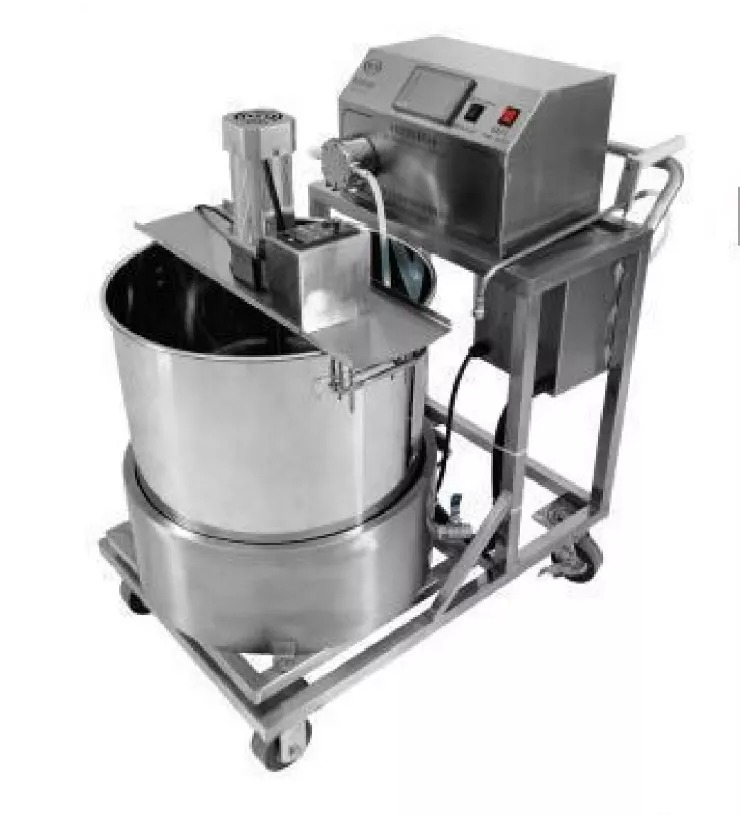
A candle wax melting machine is a machine designed to heat and melt solid wax into liquid wax for candle making. It is commonly used for soy wax, paraffin wax, beeswax, coconut wax, palm wax, gel wax, and blended candle wax.
The main function of a candle wax melting machine is to create a controlled melting environment. Compared with heating wax in small pots, a candle wax melting machine offers better temperature stability, larger batch capacity, safer operation, and easier wax discharge.
A basic candle wax melting machine usually includes:
● A stainless steel melting tank
● A heating system
● A temperature controller
● A control panel
● A discharge valve
● A power system
● Safety protection features
Some candle wax melting machine models may also include a mixing function, insulation layer, digital temperature display, jacketed heating system, or connection to a candle filling machine.
In candle making, wax temperature affects melting speed, fragrance mixing, color dispersion, pouring performance, surface finish, and final candle consistency. That is why using a candle wax melting machine properly is important for stable candle production.
Why Use a candle wax melting machine for Candle Making?
Using a candle wax melting machine can make the candle making process cleaner, faster, and easier to control. Manual heating may work for small tests, but it becomes inefficient when production volume increases.
A candle wax melting machine helps candle makers:
● Melt wax more evenly
● Control wax temperature more accurately
● Prepare larger wax batches
● Reduce manual heating work
● Improve fragrance and color mixing
● Reduce wax waste during pouring
● Keep batch quality more consistent
● Improve production efficiency
For handmade candle studios, a candle wax melting machine can reduce daily workload. For growing candle brands, it can support larger orders. For commercial candle manufacturers, it can help create a more stable and repeatable candle making process.
The key is not only owning a candle wax melting machine, but also using it correctly. Wrong temperature settings, poor cleaning, overfilling, or improper pouring can still lead to quality problems.
How Does a candle wax melting machine Work?
A candle wax melting machine works by heating wax inside a tank until the wax becomes liquid. The temperature controller helps keep the wax within the required range, while the discharge valve allows the melted wax to flow out for pouring or filling.
The basic working process is:
1. Add solid wax into the melting tank.
2. Set the required melting temperature.
3. Start the heating system.
4. Allow the wax to melt evenly.
5. Add fragrance oil and color at the correct temperature.
6. Hold the wax at the proper pouring temperature.
7. Discharge the wax through the outlet valve.
8. Pour the wax into candle jars, molds, or filling equipment.
9. Clean the candle wax melting machine after use.
This process may look simple, but every step affects the final candle result. A candle wax melting machine gives you better control over these steps.
Step 1: Prepare the Wax and Candle Materials
Before starting the candle wax melting machine, prepare all materials needed for candle making. This helps avoid delays once the wax reaches the correct temperature.
You should prepare:
● Candle wax
● Fragrance oil
● Candle dye or colorant
● Candle jars or molds
● Wicks
● Wick stickers or wick holders
● Stirring tools
● Thermometer if needed
● Heat-resistant gloves
● Cleaning cloths
● Labels and packaging materials
The wax should be measured according to your formula. If each candle uses 200 grams of wax and you want to make 100 candles, you need about 20 kg of wax. Measuring wax correctly helps you avoid waste and ensures the candle wax melting machine is loaded properly.
Before adding wax, make sure the candle wax melting machine is clean and dry. Old wax residue, fragrance oil, or dye left inside the tank may affect the new batch.
Step 2: Add Wax into the Melting Tank
After preparation, add the wax into the tank of the candle wax melting machine. Do not overfill the tank. Wax needs enough space to melt, expand, and move during heating.
Overfilling a candle wax melting machine can cause:
● Uneven melting
● Wax overflow
● Difficult stirring
● Longer melting time
● Safety risks
● More cleaning work
If the wax comes in large blocks, cutting it into smaller pieces can help improve melting speed. Wax flakes, pellets, or small chunks usually melt faster and more evenly.
For best results, load the candle wax melting machine based on the machine capacity and your batch size. A small machine is suitable for small batches, while a larger candle wax melting machine is better for continuous production.
Step 3: Set the Correct Melting Temperature
Temperature control is one of the most important parts of using a candle wax melting machine. Different wax types have different melting points and pouring temperatures.
If the temperature is too low, the wax may not melt completely. If the temperature is too high, the wax may overheat, fragrance oil may evaporate too quickly, and the finished candle may have quality problems.
Always follow the wax supplier’s recommended temperature range. The table below gives a general reference.
Wax Type
Common Melting Range
Common Pouring Range
Usage Notes
Soy wax
50°C–85°C
45°C–65°C
Requires stable temperature to reduce frosting and rough tops
Paraffin wax
55°C–90°C
60°C–80°C
Melts quickly and is widely used in commercial candle making
Beeswax
62°C–90°C
65°C–80°C
Has a higher melting point and may need longer heating
Coconut wax
40°C–75°C
45°C–60°C
Often used for scented container candles
Blended wax
Depends on formula
Depends on formula
Follow the wax supplier’s recommendation
A candle wax melting machine with digital temperature control is useful because it allows operators to set and monitor the temperature more clearly. Stable temperature control helps improve candle consistency.
Step 4: Start Heating the Wax
Once the temperature is set, turn on the candle wax melting machine and begin heating. During this stage, allow the wax to melt gradually and evenly.
If the candle wax melting machine has a mixer, the mixing function can help distribute heat and reduce unmelted wax pieces. If the machine does not have a mixer, gentle manual stirring may be needed.
During heating, check for:
● Unmelted wax pieces
● Uneven wax temperature
● Smoke or unusual smell
● Wax discoloration
● Control panel warnings
● Valve leakage
● Abnormal machine noise
Do not set the temperature too high just to melt wax faster. A candle wax melting machine should be used for controlled heating, not aggressive overheating. Slow and stable heating often gives better candle results than very fast heating.
Step 5: Add Fragrance Oil Correctly
After the wax is fully melted and reaches the proper mixing temperature, add fragrance oil according to your candle formula.
This step is very important because fragrance oil performance depends on correct temperature and mixing. If fragrance oil is added when the wax is too hot, some fragrance may evaporate. If it is added when the wax is too cool, it may not blend evenly.
When adding fragrance oil to wax in a candle wax melting machine:
● Use the correct fragrance load
● Add fragrance at the recommended temperature
● Mix evenly
● Avoid overheating after fragrance is added
● Record the formula and temperature for future batches
For scented candle production, the candle wax melting machine helps keep the wax at a stable temperature during fragrance mixing. This can improve scent consistency across different batches.
Step 6: Add Candle Dye or Colorant
If your candle formula includes color, add the dye or colorant after the wax has melted. The candle wax melting machine should keep the wax warm enough for the color to dissolve or disperse evenly.
When adding color:
● Use candle-safe dye
● Add gradually
● Mix until the color is even
● Test the color if needed
● Avoid adding too much dye
Poor color mixing can cause streaks, uneven candle appearance, or color differences between batches. A candle wax melting machine with stable heat and proper mixing support can help create more consistent color results.
If you produce different candle colors, clean the candle wax melting machine carefully before changing to another color. This prevents color contamination.
Step 7: Hold the Wax at Pouring Temperature
After melting, fragrance mixing, and coloring, the wax should be held at the correct pouring temperature. This is where a candle wax melting machine becomes very useful.
Pouring temperature affects:
● Candle surface smoothness
● Container adhesion
● Wax shrinkage
● Cooling behavior
● Fragrance distribution
● Final candle appearance
If the wax is poured too hot, it may shrink too much or create surface defects. If it is poured too cool, it may not bond well with the container or may produce rough tops.
A candle wax melting machine allows you to adjust and hold the wax temperature before pouring. This is especially helpful when filling many candles in one batch.
Step 8: Discharge the Melted Wax
When the wax reaches the proper pouring temperature, use the discharge valve of the candle wax melting machine to release the melted wax.
Depending on your production method, the melted wax can be discharged into:
● Pouring pitchers
● Candle jars
● Candle molds
● Measuring containers
● A candle filling machine
Open the valve slowly and control the wax flow. A good discharge process helps reduce dripping, splashing, and wax waste.
When using the discharge valve:
● Make sure the container is placed correctly
● Open the valve gradually
● Do not allow wax to splash
● Keep hands away from hot wax
● Close the valve fully after use
● Wipe any wax drips before they harden
A smooth outlet valve is important because it makes the candle wax melting machine easier to use and cleaner during production.
Step 9: Pour the Wax into Candle Containers or Molds
After discharging the wax, pour it into prepared candle jars or molds. Make sure the wicks are centered and fixed before pouring.
During pouring:
● Keep the container stable
● Pour slowly and evenly
● Avoid air bubbles
● Maintain the correct fill level
● Do not move candles immediately after pouring
If the candle wax melting machine is connected to a filling machine, the wax can be transferred more efficiently. For small candle studios, manual pouring is still common, but the candle wax melting machine helps provide a steady supply of melted wax.
Consistent pouring temperature and controlled wax flow can improve the final candle surface and reduce defects.
Step 10: Cool and Inspect the Candles
After pouring, allow the candles to cool naturally. Avoid moving them too early because movement can affect the wick position and surface finish.
During cooling, check the candles for:
● Smooth surface
● Centered wick
● Correct fill level
● Good container adhesion
● Even color
● No cracks
● No sinkholes
● No visible wax separation
If the candles show repeated defects, review your candle wax melting machine settings and operating process. Many candle problems are related to wax temperature, fragrance mixing, pouring temperature, or cooling conditions.
Common Problems and How to Fix Them
The table below shows common candle making problems that may be related to wax melting or temperature control.
Problem
Possible Cause
How the candle wax melting machine Helps
Rough candle tops
Pouring temperature too low or unstable
Helps hold wax at a stable pouring temperature
Weak fragrance throw
Fragrance added at the wrong temperature
Helps maintain proper mixing temperature
Uneven color
Poor dye mixing or uneven heat
Helps melt and mix wax more evenly
Sinkholes
Wax poured too hot or cooled unevenly
Helps control pouring temperature
Wax waste
Poor discharge or messy pouring
Outlet valve helps control wax flow
Batch inconsistency
Manual heating variation
Machine improves repeatable temperature control
A candle wax melting machine cannot solve every candle making problem, but it can greatly improve wax preparation and temperature stability.
Safety Tips When Using a candle wax melting machine
A candle wax melting machine uses heat and electricity, so safety is very important.
Follow these safety tips:
● Place the machine on a stable surface
● Check the power supply before use
● Keep water away from electrical parts
● Do not touch hot surfaces directly
● Wear heat-resistant gloves when needed
● Do not overfill the tank
● Do not leave hot wax unattended for long periods
● Keep the working area clean
● Avoid overheating wax
● Turn off the machine after use
● Clean the machine only when it is safe to handle
For commercial candle production, operators should follow a clear operating procedure. This helps ensure every worker uses the candle wax melting machine safely and correctly.
How to Clean a candle wax melting machine After Use
Cleaning is necessary after using a candle wax melting machine, especially when changing wax type, fragrance, or color.
The best time to clean the machine is when the remaining wax is still warm and soft, but not too hot to handle safely.
Basic cleaning steps:
1. Turn off the candle wax melting machine.
2. Discharge remaining wax through the valve.
3. Wipe the inner tank while the wax is still soft.
4. Clean the outlet valve carefully.
5. Remove fragrance and dye residue.
6. Avoid scratching the stainless steel surface.
7. Keep the tank dry before the next use.
Do not use sharp tools that may scratch the tank. Scratches can hold wax residue and make future cleaning harder.
A clean candle wax melting machine helps prevent scent mixing, color contamination, and quality problems in the next batch.
Maintenance Tips for Long-Term Use
Regular maintenance helps keep the candle wax melting machine working properly.
Maintenance tasks include:
● Check the heating system
● Inspect the temperature controller
● Clean the discharge valve
● Check seals and gaskets
● Keep the control panel dry
● Remove wax buildup
● Check electrical connections
● Tighten loose parts
● Replace worn parts when needed
If the candle wax melting machine is used every day, maintenance should be done more frequently. For commercial candle production, downtime can delay orders, so regular inspection is important.
How to Use a candle wax melting machine More Efficiently
To improve efficiency, use the candle wax melting machine as part of a clear production process.
Practical efficiency tips include:
● Prepare jars, wicks, fragrance, and color before melting wax
● Cut large wax blocks into smaller pieces
● Do not overfill the tank
● Use the correct temperature setting
● Keep formulas and temperature records
● Clean the machine after each production run
● Group similar scents or colors together
● Use the right machine capacity for your batch size
The goal is to make the candle wax melting machine support a smoother workflow from wax melting to pouring.
Choosing the Right candle wax melting machine for Candle Making
Although this guide focuses on using a candle wax melting machine, choosing the right machine also affects how easy it is to operate.
When choosing a candle wax melting machine, consider:
● Tank capacity
● Heating speed
● Temperature control accuracy
● Tank material
● Discharge valve design
● Cleaning convenience
● Safety features
● Power and voltage
● Need for mixing function
● Production volume
A small candle wax melting machine may be suitable for handmade candle studios. A larger candle wax melting machine may be better for commercial candle production. The right machine should match your wax type, batch size, and daily output.
Conclusion
Using a candle wax melting machine correctly can make candle making more efficient, stable, and professional. From material preparation and temperature setting to fragrance mixing, safe discharge, accurate pouring, and post-use cleaning, each step helps improve production consistency and candle quality.
For candle makers who want better results, a candle wax melting machine is more than a heating tool. Dongguan Yide Machinery Co., Ltd. can provide reliable candle wax melting machine solutions to help reduce manual work, improve batch consistency, and support more efficient candle production.
FAQs
1. What is a candle wax melting machine used for?
A candle wax melting machine is used to melt solid wax into liquid wax for candle making. It helps control temperature, improve melting efficiency, and prepare wax for fragrance, color, and pouring.
2. Can I use a candle wax melting machine for soy wax?
Yes. A candle wax melting machine can be used for soy wax, paraffin wax, beeswax, coconut wax, palm wax, and blended candle wax. The temperature should be adjusted according to the wax type.
3. What temperature should I set for a candle wax melting machine?
The temperature depends on the wax type and candle formula. Always follow the wax supplier’s recommended melting and pouring temperature.
4. How do I clean a candle wax melting machine?
Drain the remaining wax, wipe the tank while it is still warm and soft, clean the outlet valve, remove fragrance or dye residue, and keep the tank dry before the next use.
5. Why is temperature control important when using a candle wax melting machine?
Temperature control affects wax melting, fragrance mixing, color consistency, pouring quality, and final candle appearance. Stable temperature helps produce more consistent candles.