- Home
-
-
Benefits Of Using An Automatic Candle Production Line
Views: 0 Author: Site Editor Publish Time: 2026-06-13 Origin: Site


Every growing candle business inevitably hits a stubborn production wall. Hand-pouring reaches its absolute physical limit around 800 units daily. Founders soon find themselves trapped in endless manual tasks like wicking, pouring, and heat-gunning instead of driving business growth. This bottleneck restricts your brand from expanding into lucrative wholesale markets. Transitioning to an automated setup goes beyond simply manufacturing more units. It represents a strategic capital expenditure vital for ensuring product uniformity. It slashes your dependency on manual labor while meeting the strict quality demands of commercial buyers. We will explore how modern machinery transforms batch-making into a continuous, predictable flow. You will discover the technical features separating consumer-grade melters from robust commercial systems. Finally, we will outline the necessary steps to evaluate returns and manage rollout risks effectively.
Key Takeaways
Scalability Realized: Shift daily production capacity from a few hundred manual pours to thousands of perfectly uniform units.
Quality Consistency: Eliminate manual errors like splashing, bubbling, and sinkholes through precise thermal and dispensing controls.
Operational Efficiency: Transition to a one-person operation, drastically reducing labor costs and material waste.
Evaluation Baseline: The best production lines integrate melting, filtering, scent-mixing, and pouring into a unified PLC-controlled system.
Unlocking True Scalability: Breaking the Artisanal Bottleneck
Hand-pouring relies heavily on task-stacking. Makers must sanitize jars, set individual wicks, and carefully pour hot wax from heavy pitchers. Afterward, they spend hours fixing surface imperfections using heat guns. These overlapping duties create severe operational bottlenecks. Artisans hit a physical limit very quickly. Wholesale expansion becomes impossible under these restrictive conditions.
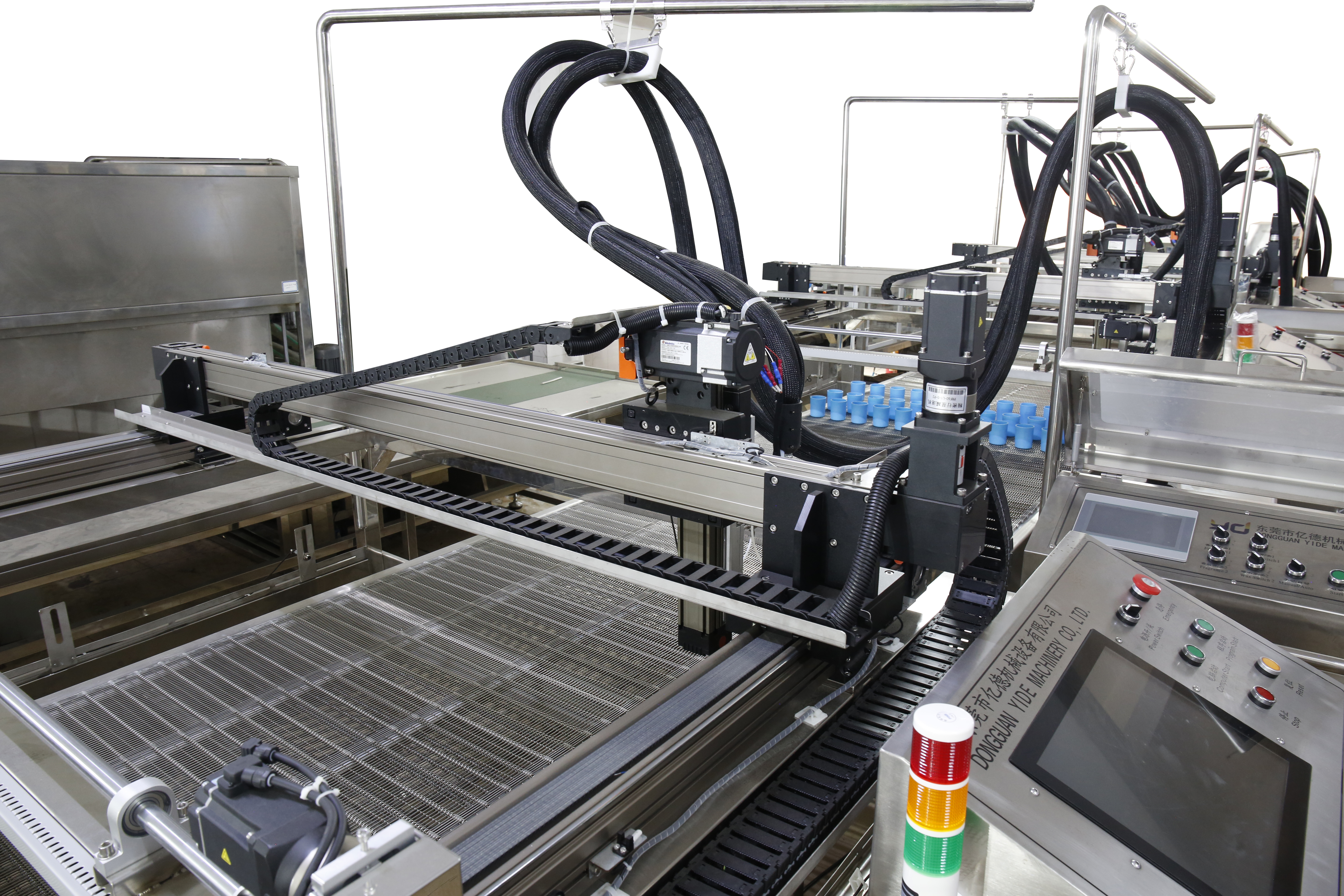
A mechanized setup solves this issue directly. A full Candle Production Line transforms isolated batch-making into a continuous flow. The machinery takes over the repetitive pouring motions. You no longer rely on human endurance to meet daily quotas. We replace physical constraints with a purely mechanical metric.
This transition changes the fundamental outcome of your business. Facilities can suddenly process large B2B orders quickly. They do so without needing to hire seasonal temporary staff. You avoid extending delivery timelines unnecessarily. A common mistake growing brands make is simply hiring more hands. This approach only creates a crowded workspace and increases overhead. Embracing automation shifts your output ceiling entirely. You finally transition away from operator fatigue toward guaranteed daily volumes.
Guaranteeing Quality Consistency at High Volumes
Wholesale buyers enforce strict evaluation lenses. They demand absolute uniformity across every unit. They inspect appearance, check weight, and test scent throw rigorously. Manual pouring struggles to meet these demands reliably. Temperature drops occur quickly in unheated pouring pitchers. Cross-contamination ruins expensive fragrance batches if pitchers are not cleaned perfectly.
Automated systems solve this through precision thermal processing. They maintain exact viscosity and temperature requirements continuously. Different materials require unique handling parameters to prevent crystallization or frosting. Modern equipment monitors these thresholds automatically.
Wax Material
Optimal Melting Range
Processing Requirement for Consistency
Soy Wax
120ºF - 125ºF
Requires steady ambient heating to prevent surface frosting.
Beeswax
155ºF - 170ºF
Demands high-temp insulated pipelines to avoid internal clogging.
Paraffin
130ºF - 140ºF
Needs rapid, controlled cooling management to avoid sinkholes.
High-end machines utilize anti-drip nozzles to guarantee defect reduction. They use precise dosing pumps to eliminate splashing entirely. Air bubbles disappear from the finished product. Uneven cooling is no longer an issue. You remove the need for secondary heat-gun remediation. This saves hours of corrective labor.
In-line mixing ensures fragrances and dyes remain perfectly homogenous. This prevents heavy fragrance oils from settling at the bottom. Scent settling is a very common issue in manual pitcher pours. A best practice is verifying your machine has dynamic internal agitators. These agitators guarantee that the first candle and the thousandth candle smell exactly the same.
Driving Efficiency: Labor Reduction and Workplace Safety
Evaluating new equipment requires a strict cost-benefit analysis. Manufacturers shift away from relying on multiple manual laborers. Instead, they adopt a single-operator oversight model. This shift drives incredible operational efficiency. One trained person manages the touchscreen interface while the machine executes the heavy lifting. You instantly repurpose your staff toward packing, marketing, or sales.
Handling large volumes of hot wax manually presents serious risks. Workers face severe burn hazards daily. Slip hazards from spilled wax threaten workplace safety constantly. Enclosed automated lines remove these dangers entirely. They use dedicated pressure vessels and insulated piping. You eliminate direct human contact with heated materials. Risk mitigation becomes a built-in feature of your manufacturing process rather than a daily worry.
Advanced systems also feature sophisticated self-cleaning protocols. They incorporate automated purging cycles and heated pipelines. Operators can execute rapid batch switching safely. You never worry about cross-contamination of scents or dyes between runs. Downtime between different production runs drops dramatically. The machine cleans its own internal pathways in minutes, keeping your daily schedule intact.
Key Technical Features to Evaluate in a Candle Production Line
What separates a basic consumer-grade melter from an industrial production machine? Buyers must establish a strict decision-stage framework. You must evaluate equipment manufacturers based on hardware transparency. Scrutinize core component quality before signing any purchase orders.
When reviewing technical specifications, insist on these critical features:
Programmable Logic Controllers (PLC): Modern touchscreen interfaces allow operators to save specific recipe parameters. You can store exact temperatures, dose volumes, and cooling times. This software enables rapid changeovers between container, pillar, or taper styles without manual recalibration.
Component Integrity: You must inspect the internal mechanical parts. Look closely at the drive motors. Check the high-viscosity gear pumps and heating elements. These specific components dictate the entire machine's lifespan. They also determine your ongoing maintenance frequency.
Rapid Mold Changing Mechanisms: Flexible manufacturing requires agility. Lines must pivot quickly across different product shapes and sizes. Quick-release mold systems are essential for this operational flexibility.
Verification Standards: Never buy industrial equipment blindly. Always request official Machinery Test Reports. Insist on video outgoing-inspections before finalizing any overseas or long-distance capital purchases.
A common mistake is buying a machine based solely on its theoretical top speed. Speed means nothing if the gear pumps fail after three months. Always prioritize component integrity over advertised maximum output. High-quality PLCs and robust gear pumps ensure your production runs smoothly year after year.
Implementation Realities: Assessing ROI and Rollout Risks
Upgrading to a robust line requires capital. A multi-function line performing mixing, pumping, and filling represents a significant upfront investment. Costs often range from $15,000 to over $30,000, depending on specific integration levels. Acknowledge this reality early in your planning phase.
Facility readiness is crucial for a smooth rollout. Upgrading from manual methods demands a strict facility audit before the machinery arrives.
Audit your electrical capacity to ensure you meet specific voltage and phase requirements.
Assess ventilation systems to handle increased ambient heat and heavy fragrance off-gassing.
Measure your floor footprint to easily accommodate integrated cooling tunnels and finishing machines.
A main pouring line relies heavily on a peripheral ecosystem. Buyers need auxiliary upgrades to realize maximum potential. Consider adding automated wick setters to your workflow. Install precise scale systems for spot-checking. Integrate inline labelers to speed up packaging. Connect high-capacity batch melters to keep the main unit fed continuously.
Summary Chart: Comprehensive ROI Assessment Factors
Direct Labor Savings
Reduction in hourly wages by shifting from 4-5 pourers to 1 machine operator.
Material Yield Improvement
Elimination of spilled wax, over-poured containers, and wasted fragrance oils.
Defect Recovery
Zero hours spent operating heat guns to fix sinkholes or tunneling.
Sales Expansion
Ability to accept large wholesale contracts due to predictable, high-volume capacity.
When shortlisting equipment, look beyond mere sales volume increases. Calculate your payback period using holistic metrics. True scalability depends on these combined operational savings. Factor in labor hours saved. Account for reduced material waste. Include the elimination of defect-related customer refunds.
Conclusion
An automatic machinery setup transitions a brand from a labor-intensive craft model to a predictable, profitable manufacturing business. You regain control over your time and your product quality. The physical limits of hand-pouring no longer dictate your business growth.
Take immediate action by documenting your current cycle times and defect rates. Map out your required wax melt points accurately. Begin initiating technical consultations with vetted machinery manufacturers. Request customized quotes and strict compliance documentation. Taking these steps ensures your capital investment yields a permanent competitive advantage in the marketplace.
FAQ
Q: Can an automated production line handle multiple types of wax and fragrances?
A: Yes. High-quality machines feature adjustable thermal controls and self-cleaning/purging mechanisms. These features allow operators to seamlessly switch between soy, paraffin, and beeswax without cross-contamination of scents or colors.
Q: Does operating an industrial candle making machine require specialized engineering training?
A: Modern lines utilize intuitive PLC touchscreens. While basic mechanical sympathy and strict adherence to the manufacturer's maintenance schedule are required, daily operation can typically be managed by standard production staff after a brief onboarding session.
Q: What is the routine maintenance required to prevent machine downtime?
A: Routine maintenance includes regular purging of heated lines, inspecting gear pump seals, checking thermal fluid levels, and following the manufacturer's daily and weekly cleaning protocols. This prevents hard wax build-up in the nozzles and internal hoses.