- Home
-
-
The Candle Wax Guide
Candle making is an art that blends creativity with science. At the heart of every great candle is the wax you choose. This decision impacts how the candle burns, how long it lasts, how well it holds fragrance, and even its environmental footprint. With so many options available, it can be overwhelming to pick the right one.
This guide will walk you through the most common types of candle waxes, breaking down their unique properties, best uses, and key characteristics to help you make an informed choice for your next project.
Soy Wax: The Eco-Friendly Favorite
Soy wax is a vegetable wax made from hydrogenated soybean oil. It has gained immense popularity due to its natural and renewable origins.
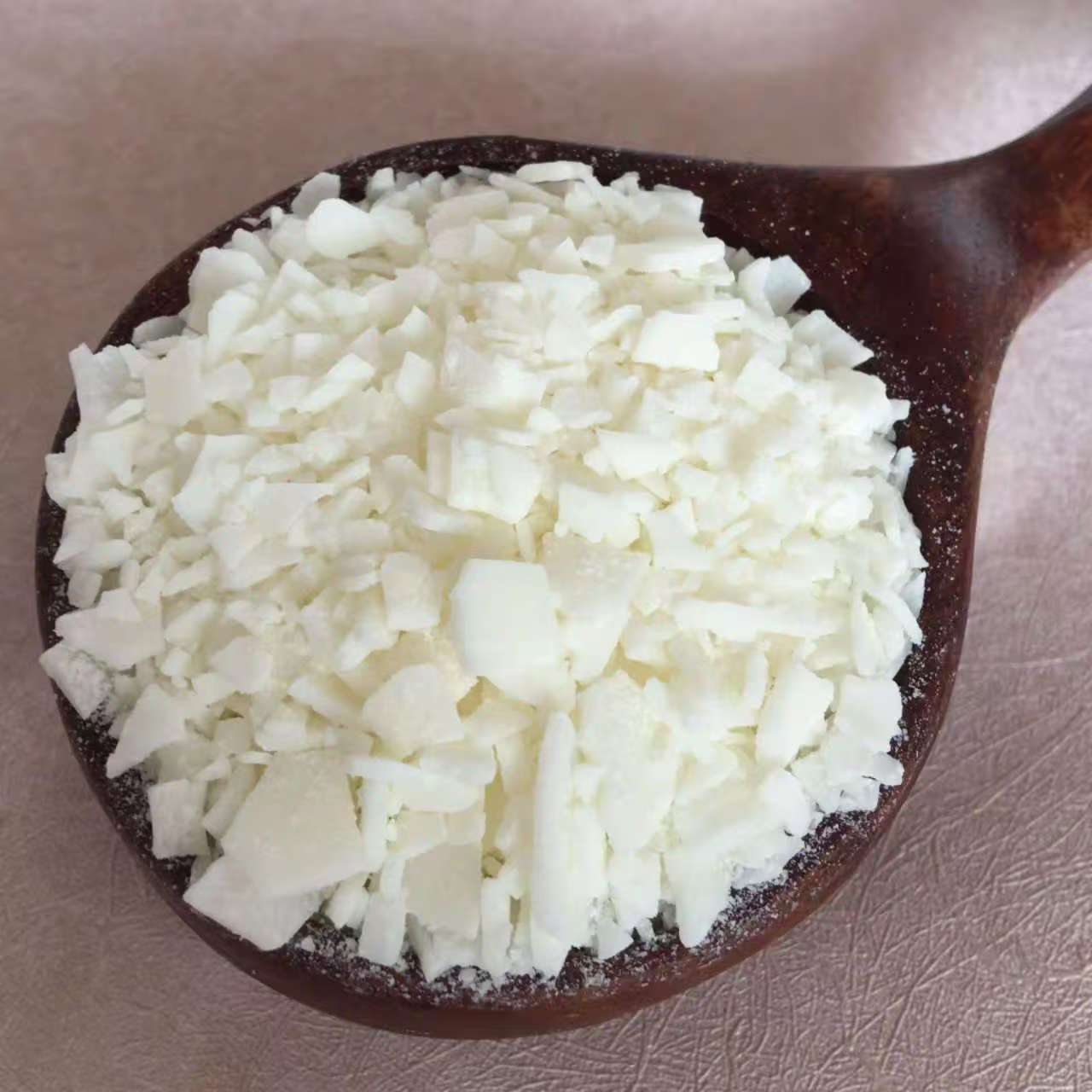
Appearance: It typically comes in white, flaky form.
Melting Point: Around 52°C (approximately 126°F).
Best For: Container candles like jar candles and tin candles, as well as some molded candles.
Pouring Tip: For best results, cool the melted wax to 70°C before adding your fragrance oil. Stir gently for two minutes to ensure the scent is fully incorporated, then pour it into your container immediately.
Soy wax is a fantastic choice for eco-conscious crafters. It's biodegradable, renewable, and burns cleanly with minimal soot. Candles made from soy wax also have an excellent scent throw and a longer burn time compared to some other waxes.
Paraffin Wax: The Classic Workhorse
Paraffin wax is a petroleum-based product that has been the standard in the candle industry for over a century. It is refined from the sludge left after crude oil distillation.
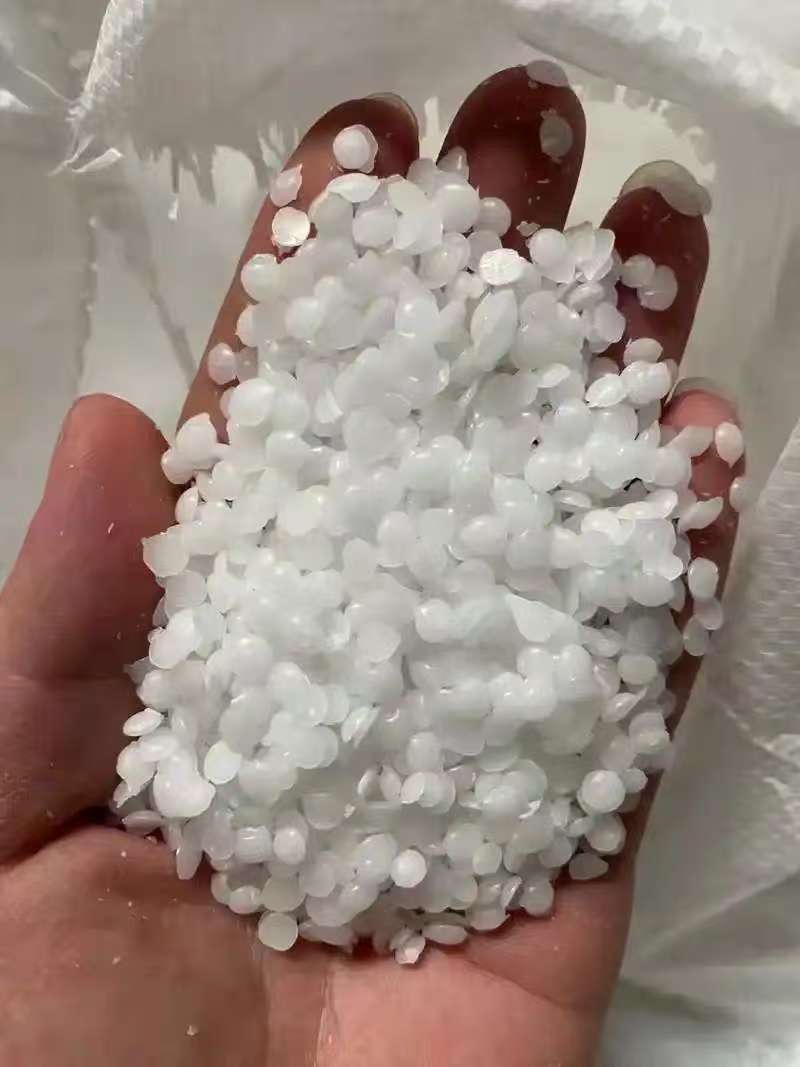
Melting Point: Fully refined paraffin, commonly used in candles, has a melting point around 58°C (136°F).
Best For: Pillar candles, taper candles, and tea lights because of its excellent rigidity and ability to hold its shape.
Important Note: It's mentioned in the document that paraffin wax is banned from the American market. While not entirely banned, there is a growing preference for natural waxes due to concerns about paraffin being a non-renewable resource and potential air quality issues from soot.
Paraffin's key strengths are its high compatibility with fragrances and dyes, resulting in strong-smelling, vibrant candles. However, its non-renewable nature and tendency to produce more soot are significant drawbacks for many modern candle makers.
Coconut Wax: The Luxury Blend
Coconut wax is a premium, soft wax made from cold-pressed coconut oil. It is renowned for its superb ability to hold and throw fragrance.
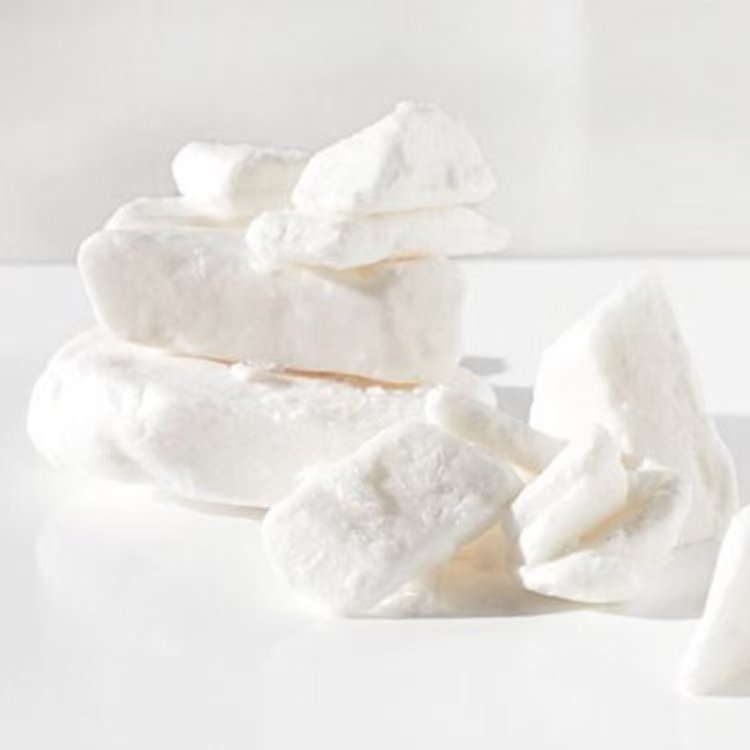
Appearance: A white, soft, and creamy solid.
Melting Point: Relatively low, at about 45°C (113°F).
Best For: Container candles, such as jar and tin candles.
Pro Tip: Because of its softness, it is often blended with a harder wax like beeswax to create a more stable candle that is still excellent at holding scent.
Coconut wax is another eco-friendly option, offering a very slow, clean burn. Its creamy texture and top-tier performance make it a go-to for high-end, luxury candle lines.
Beeswax: The Natural Purifier
Beeswax is a completely natural wax produced by honeybees to build their honeycombs. It is available in its natural yellow form or bleached white.
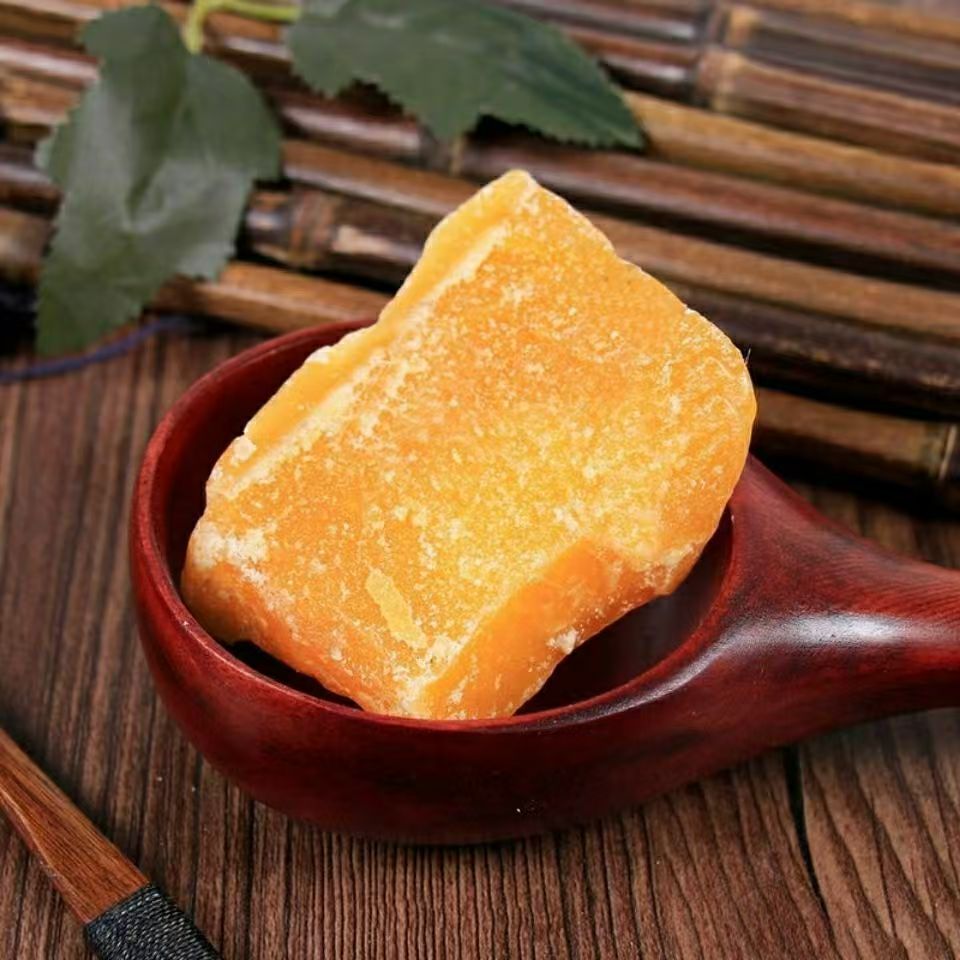
Melting Point: Between 62–63°C (144–145°F).
Best For: While it can be used for candles on its own, it is also widely used in cosmetics, lip balms, soaps, and food wraps.
Characteristics: It melts easily, is virtually impurity-free, and has a naturally sweet, honey-like aroma. It is typically more expensive than other waxes.
Beeswax candles are known for burning brightly and slowly. A unique property of beeswax is that it emits negative ions when burned, which can help purify the air by neutralizing pollutants, dust, and odors.
Gel Wax: The Creative Medium
Gel wax is not a true wax but a polymer resin that is transparent. It allows for unparalleled creativity in candle design.
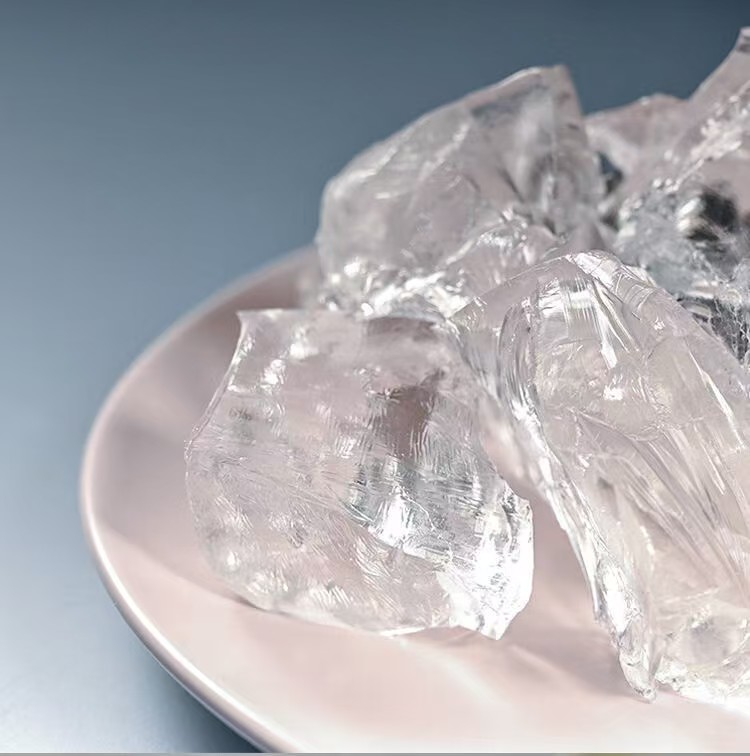
Melting Point: It comes in various melt points, such as 55°C, 85°C, and 95°C, to suit different needs.
Boiling Point: Very high, over 330°C.
Best For: Decorative and craft candles, especially those where you want to embed objects like seashells, marbles, or colored sand.
The main appeal of gel wax is its crystal-clear, glass-like appearance. It's important to follow safety guidelines carefully, as its high boiling point requires attentive heating.
Palm Wax: The Crystalline Wonder
Palm wax is derived from the palm fruit and is known for its beautiful, natural crystalline patterns that appear as the candle cools.
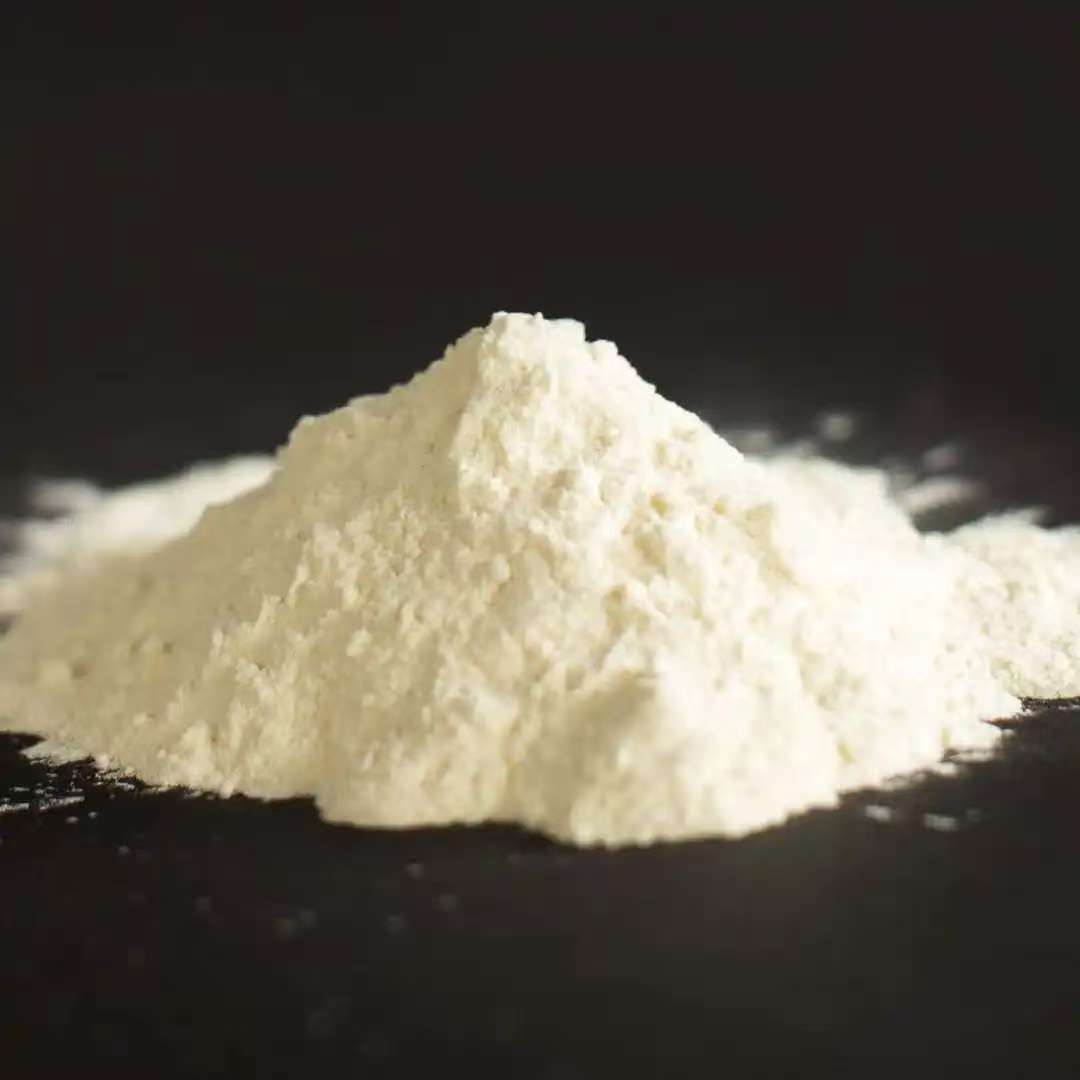
Appearance: A white powder that, when melted and cooled, forms a feathered or icy crystal structure.
Melting Point: Ranges from 58–62°C (136–144°F).
Best For: Stunning pillar candles and candles in clear glass containers where the crystalline effect can be showcased.
The visual appeal of palm wax is its biggest selling point. However, it is crucial to source palm wax that is certified sustainable to ensure it does not contribute to deforestation and habitat destruction.
Blended Soy Wax: The Best of Both Worlds
Many manufacturers create blended waxes to combine the benefits of different materials. A common example is a blend of soy and coconut wax.
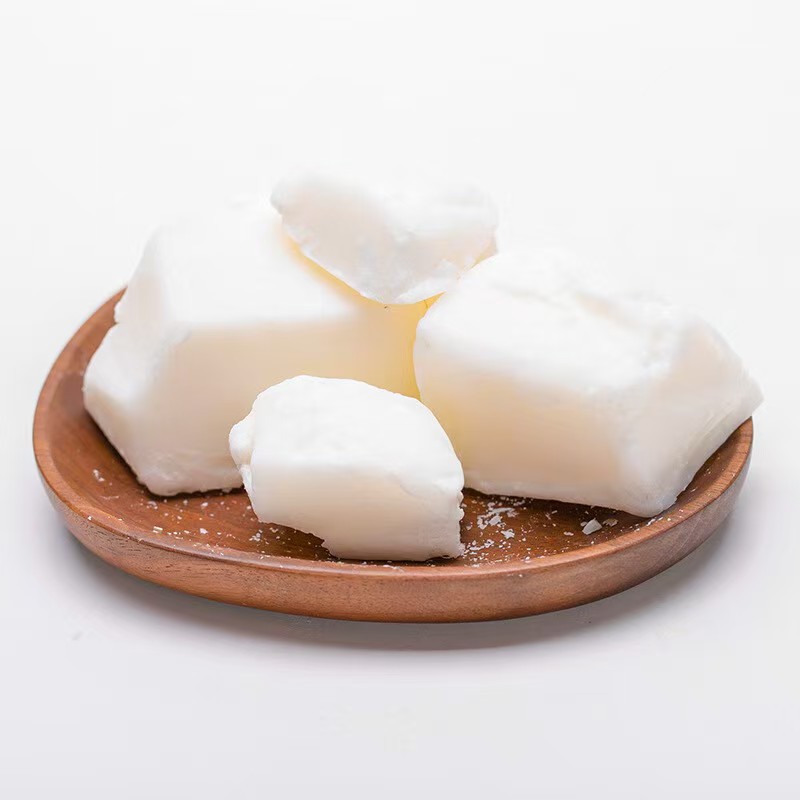
Appearance: A white, soft solid.
Melting Point: Instructions typically recommend melting to 75°C and avoiding prolonged heating above 90°C.
Pouring Tip: Similar to pure soy wax, cool to 70°C before adding fragrance.
Best For: All types of container candles.
These blends aim to offer the eco-benefits and clean burn of soy with the superior scent throw and creamy texture of coconut wax. They are designed for ease of use and high-performance results, making them a versatile choice for both beginners and experienced chandlers.
Conclusion
There is no single "best" wax for every candle. Your choice depends on your priorities:
For natural and eco-friendly: Choose Soy, Coconut, or Beeswax.
For strong scent and vibrant color: Paraffin is effective, but consider a blended wax for a more natural alternative.
For decorative and creative projects: Gel wax is unmatched.
For beautiful visual effects: Palm wax creates stunning patterns.
For ease and performance: A soy blend is an excellent all-rounder.
By understanding the strengths and weaknesses of each type, you can select the perfect wax to bring your candle-making vision to life. Happy crafting!